

What is Meditation for Your Body,
Mind and Daily Life
Home » Wellness » Meditation » What is Meditation
In our increasingly fast-paced digital world, the ancient practice of meditation has emerged as one of the most researched and scientifically validated approaches to mental wellness and stress reduction. With over 500 million people worldwide now practicing some form of meditation¹, this timeless technique has transcended cultural boundaries to become a cornerstone of modern wellness practices.
Understanding what meditation is requires looking beyond popular misconceptions and exploring its profound impact on both mental and physical health. Research from Harvard Medical School demonstrates that regular meditation practice can literally reshape brain structure, increasing gray matter density in areas associated with learning, memory, and emotional regulation². This scientific validation has transformed meditation from a spiritual practice into a evidence-based wellness tool.
The essence of meditation lies not in emptying the mind, as commonly believed, but in developing a different relationship with thoughts, emotions, and experiences. Through consistent practice, individuals learn to observe their mental patterns without judgment, cultivating a state of present-moment awareness that extends far beyond formal meditation sessions.
This comprehensive guide explores the multifaceted world of meditation, from basic definitions and scientific benefits to specific techniques and advanced practices. Whether you’re completely new to meditation or seeking to deepen your understanding, this exploration will provide practical insights into what meditation can do for your overall wellness and quality of life.
What is Meditation Definition, Core Concepts and Principles
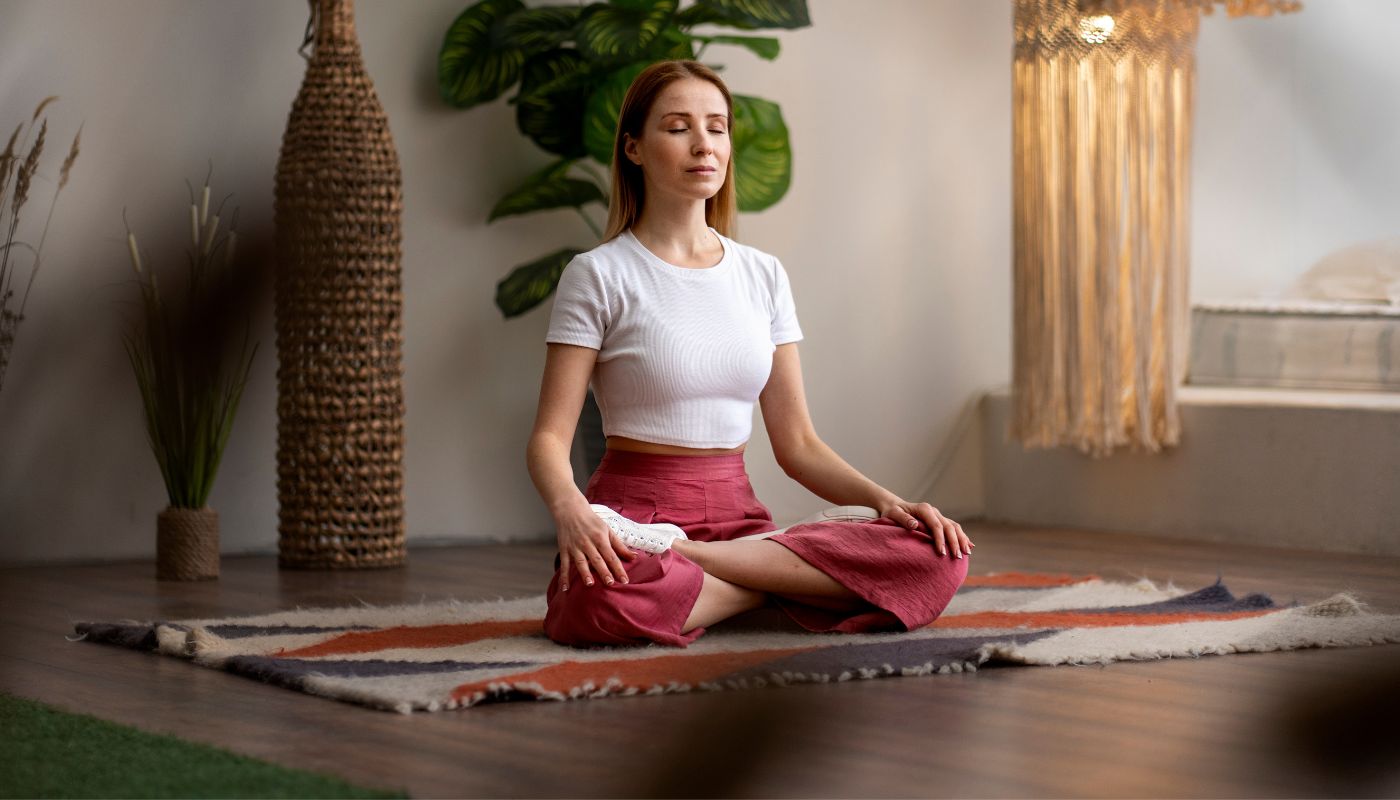
At its fundamental level, meditation represents a family of mental training practices designed to develop attention, awareness, and emotional regulation. The word “meditation” derives from the Latin “meditari,” meaning “to think over” or “to consider,” though the practice itself involves moving beyond ordinary thinking processes into states of heightened awareness and inner stillness.
Modern neuroscience defines meditation as any practice that involves training attention and awareness to achieve a mentally clear, emotionally calm, and stable state. This definition encompasses thousands of different techniques developed across various cultures and traditions, each with unique approaches but sharing common goals of mental clarity and emotional balance.
The core principle underlying all forms of meditation involves the cultivation of mindful awareness – the ability to observe thoughts, sensations, and emotions without becoming caught up in their content. This observational stance creates psychological distance from mental activity, allowing practitioners to respond rather than react to life’s challenges.
Unlike relaxation techniques that primarily aim to reduce stress, meditation encompasses broader goals including self-understanding, compassion development, and spiritual growth. The practice involves developing what researchers call “meta-cognitive awareness” – essentially thinking about thinking and becoming aware of awareness itself.
Central to understanding what meditation is involves recognising its dual nature as both a formal practice session and a way of living. While structured meditation periods provide intensive training, the ultimate goal involves integrating mindful awareness into daily activities, transforming ordinary experiences into opportunities for presence and insight.
Meditation Advantages are Limitless
The meditation benefits documented through rigorous scientific research span virtually every aspect of human health and performance. Studies consistently demonstrate that regular practice produces measurable improvements in stress reduction, immune function, cardiovascular health, and cognitive performance, making it one of the most cost-effective wellness interventions available.
Brain Benefits:
Neurological research reveals that meditation practice increases cortical thickness in brain regions associated with attention and sensory processing while reducing activity in the amygdala, the brain’s fear center. These structural changes correlate with improved emotional regulation, reduced anxiety, and enhanced resilience to stress³.
Mental health advantages extend beyond stress reduction to include significant improvements in depression, anxiety disorders, and overall psychological well-being. Meditation-based interventions show effectiveness comparable to pharmaceutical treatments for many conditions, with the added benefit of no negative side effects.
Heart Health Benefits:
Cardiovascular benefits include reduced blood pressure, improved heart rate variability, and decreased inflammation markers. A comprehensive meta-analysis published in the American Heart Association journal found that meditation practices can reduce cardiovascular disease risk by up to 30% through multiple pathways including stress reduction and improved autonomic nervous system function⁴.
Evidence-Based Meditation Benefits:
- Stress Reduction: Decreases cortisol levels by up to 25% and reduces perceived stress across multiple life domains3
- Cognitive Enhancement: Improves working memory, attention span, and executive function in both children and adults
- Emotional Regulation: Increases emotional intelligence and reduces reactivity to negative stimuli
- Physical Health: Strengthens immune system function, reduces inflammation, and improves sleep quality significantly
- Pain Management: Reduces chronic pain perception by half through altered pain processing pathways in the brain
The advantages of regular meditation practice compound over time, with long-term practitioners showing more pronounced benefits across all measured domains. Research indicates that even modest amounts of practice – as little as 10-12 minutes daily – can produce measurable improvements within eight weeks of consistent practice.
Types of Meditation

The meditation landscape encompasses hundreds of different techniques, each offering unique approaches to developing awareness and inner peace. Understanding the major categories helps practitioners choose methods that align with their goals, temperament, and lifestyle preferences.
Concentration-based practices focus attention on a single object, thought, or sensation. These include breath awareness meditation, mantra repetition, and visualisation techniques. The goal involves developing sustained, stable attention while cultivating inner stillness and mental clarity.
Concentration Practices
- Single-pointed focus on breath, mantra, or visual object to develop sustained attention and inner stillness
- The repetition of the mantra serves as a tool to guide attention and achieve a meditative state, providing a calming effect and promoting a deeper level of mental clarity.
Mindfulness-based Approach
- Mindfulness-based approaches emphasise open, non-judgmental awareness of present-moment experience.
- Rather than concentrating on one object, practitioners observe whatever arises in consciousness – thoughts, emotions, sensations – without trying to change or control these experiences.
Movement-based meditations
- Movement-based meditations integrate physical activity with contemplative awareness.
- These practices recognise that stillness can be found within movement, making them particularly appealing to individuals who struggle with seated meditation or prefer more dynamic approaches to inner cultivation.
Loving-kindness and compassion practices
- These focus on developing positive emotional states and social connection.
- These heart-centered approaches balance the mental training aspects of meditation with emotional and relational development, creating more integrated approaches to personal growth.
Devotional Practices
- Heart-centered approaches emphasising love, gratitude, and connection with something greater than oneself
- These practices are deeply rooted in various spiritual traditions, where meditation becomes a tool for cultivating love, reverence, and surrender to the divine.
Inquiry Methods
- Using questions or self-reflection to investigate the nature of consciousness, identity, and reality itself
- These methods can help uncover underlying patterns, beliefs, and truths about oneself and one’s experiences.
Each category offers multiple specific techniques, allowing practitioners to experiment and find approaches that resonate with their unique needs and preferences. Many experienced meditators develop personal practices that incorporate elements from multiple categories.
What Meditation Does to Your Mind

Modern neuroscience has revolutionised our understanding of how meditation affects brain structure and function. Advanced imaging techniques reveal that contemplative practices produce measurable changes in neural networks associated with attention, emotion regulation, self-awareness, and compassion.
Regular meditation practice increases gray matter density in the hippocampus, associated with learning and memory, while reducing amygdala reactivity linked to stress and fear responses. These structural changes correlate directly with practitioners’ reported improvements in emotional stability and stress resilience.
The default mode network, responsible for self-referential thinking and mental wandering, shows decreased activity in experienced meditators. This reduction in mind-wandering corresponds with increased present-moment awareness and reduced rumination patterns associated with depression and anxiety.
Meditation practice enhances neuroplasticity – the brain’s ability to form new neural connections throughout life. This increased adaptability supports learning, creativity, and recovery from mental health challenges, demonstrating that contemplative training can literally reshape how we think and feel.
Research on what meditation does to your mind also reveals improvements in meta-cognitive awareness – the ability to observe and understand one’s own thought processes. This enhanced self-awareness enables more conscious choice in responses to challenging situations rather than automatic reactivity patterns.
Specific Meditation Traditions: Understanding Unique Approaches
What is Nidra Meditation: The Practice of Yogic Sleep
Yoga Nidra, often called “yogic sleep,” represents a systematic method of inducing complete physical, mental, and emotional relaxation while maintaining awareness. Unlike sleep, practitioners remain conscious throughout the process, exploring deeper levels of consciousness between waking and sleeping states.
How to perform Nidra Meditation
- The practice involves progressive relaxation of different body parts combined with breath awareness and guided imagery.
- Practitioners lie in a comfortable position while following verbal instructions that lead them through various stages of relaxation and awareness cultivation.
What is nidra meditation extends beyond simple relaxation to include profound states of inner awareness and healing. Advanced practitioners report accessing subconscious material, releasing deeply held tensions, and experiencing states of expanded consciousness that promote both physical and psychological restoration.
What is Vedic Meditation: Ancient Wisdom for Modern Living
Vedic meditation traces its roots to ancient India’s Vedic tradition, emphasising effortless practice using personalised mantras. Unlike concentration-based techniques, Vedic meditation allows thoughts to come and go naturally while gently returning attention to the mantra when awareness drifts.
How to perform Vedic Meditation
- The technique involves sitting comfortably with eyes closed and silently repeating a specific sound or phrase.
- The mantra serves not as a concentration object but as a vehicle for settling into deeper states of rest and awareness that transcend ordinary thinking processes.
What is vedic meditation distinguishes itself through its emphasis on effortlessness and natural settling rather than forced concentration. Practitioners report accessing profound states of rest deeper than sleep while remaining alert and aware, promoting both stress relief and expanded consciousness.
What is Metta Meditation: Cultivating Universal Love and Compassion
Metta meditation, also known as loving-kindness practice, systematically develops unconditional love and compassion for oneself and others. The practice begins with generating feelings of love and well-being for oneself before gradually extending these feelings to loved ones, neutral individuals, difficult people, and eventually all beings.
How to Perform Metta Meditation
- Traditional metta phrases include “May you be happy,” “May you be healthy,” “May you be safe,” and “May you live with ease.”
- Practitioners repeat these intentions while visualising specific individuals and genuinely wishing them well, gradually expanding their circle of compassion.
What is metta meditation offers particular benefits for individuals struggling with self-criticism, anger, or social isolation. Research demonstrates that loving-kindness practice increases positive emotions, social connectedness, and overall life satisfaction while reducing implicit bias and interpersonal conflict.
What is Om Meditation: The Sacred Sound of Universal Consciousness
Om meditation centers on the repetition of the sacred syllable “Om” (pronounced AUM), considered in many traditions to be the fundamental sound of the universe.
How to Perform Om Meditation
- Practitioners either chant Om aloud or repeat it silently while focusing on its vibrations and resonance within the body.
- The complete pronunciation involves three distinct sounds: “A” from the belly, “U” from the chest, and “M” from the head, followed by silence.
This progression is said to represent the journey from gross physical reality through subtle mental states to pure consciousness and beyond.
What is om meditation encompasses both sound and silence, with practitioners often reporting profound states of peace and unity during the silent phase following each repetition. The practice serves as both a concentration technique and a spiritual practice connecting individuals with universal consciousness.
What is Kundalini Meditation: Awakening Inner Energy
Kundalini meditation aims to awaken the dormant spiritual energy believed to reside at the base of the spine. These practices combine specific breathing techniques, mantras, physical movements, and mental focus to activate and guide this energy upward through the chakra system.
Traditional kundalini practices often involve intense breathing patterns, specific hand positions (mudras), and repetitive mantras designed to generate internal heat and energy. Advanced practitioners report profound spiritual experiences, enhanced creativity, and expanded states of consciousness.
What is kundalini meditation requires careful guidance due to its powerful effects and potential for intense physical and emotional releases. Modern approaches often integrate kundalini principles with safer, more gradual awakening practices suitable for contemporary practitioners.
How to Meditate Effectively: From Beginner to Advanced Practice
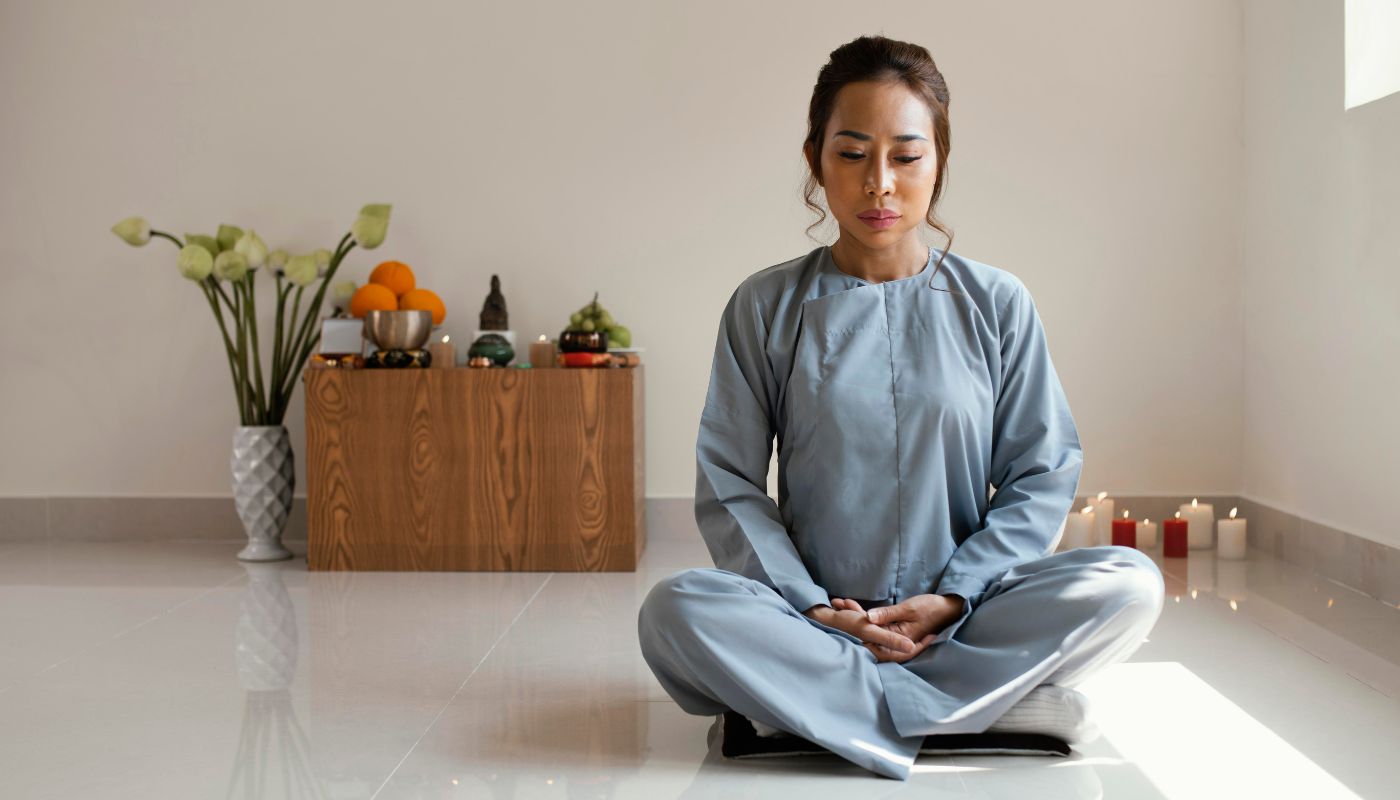
Learning how to meditate effectively begins with understanding that meditation is a skill developed through consistent practice rather than something that happens immediately. Like learning to play an instrument or speak a language, contemplative practice requires patience, regularity, and gradual progression from basic to more sophisticated techniques.
Beginning practitioners benefit most from simple, straightforward approaches that build fundamental skills before exploring more complex methods. Starting with just 5-10 minutes daily creates sustainable habits without overwhelming beginners or creating unrealistic expectations about immediate results.
The environment for effective meditation should be quiet, comfortable, and free from distractions. While formal meditation spaces can be helpful, the most important factor is consistency – practicing in the same location and time each day helps establish strong neural pathways supporting the contemplative state.
Posture significantly impacts meditation effectiveness, with the ideal position being alert yet relaxed. Whether sitting on a cushion, chair, or meditation bench, the spine should be straight but not rigid, allowing for both stability and ease throughout the practice session.
Essential Elements for Effective Meditation:
- Consistent Timing: Practice at the same time daily to establish strong neurological patterns and reduce resistance to meditation
- Appropriate Duration: Begin with 5-10 minutes and gradually increase to avoid overwhelming the nervous system or creating aversion
- Comfortable Posture: Maintain alertness while being physically at ease, adjusting position as needed to prevent discomfort
- Gentle Attitude: Approach practice with curiosity rather than judgment, treating thoughts and distractions as normal parts of the process
- Regular Environment: Use the same location when possible to create strong environmental cues that support entering meditative states
Effectiveness in meditation comes from quality rather than quantity, with consistent short sessions generally producing better results than sporadic longer practices. The goal involves developing a sustainable relationship with contemplative practice that enhances rather than complicates daily life.
Meditation Techniques Beginners: Building Foundation Skills
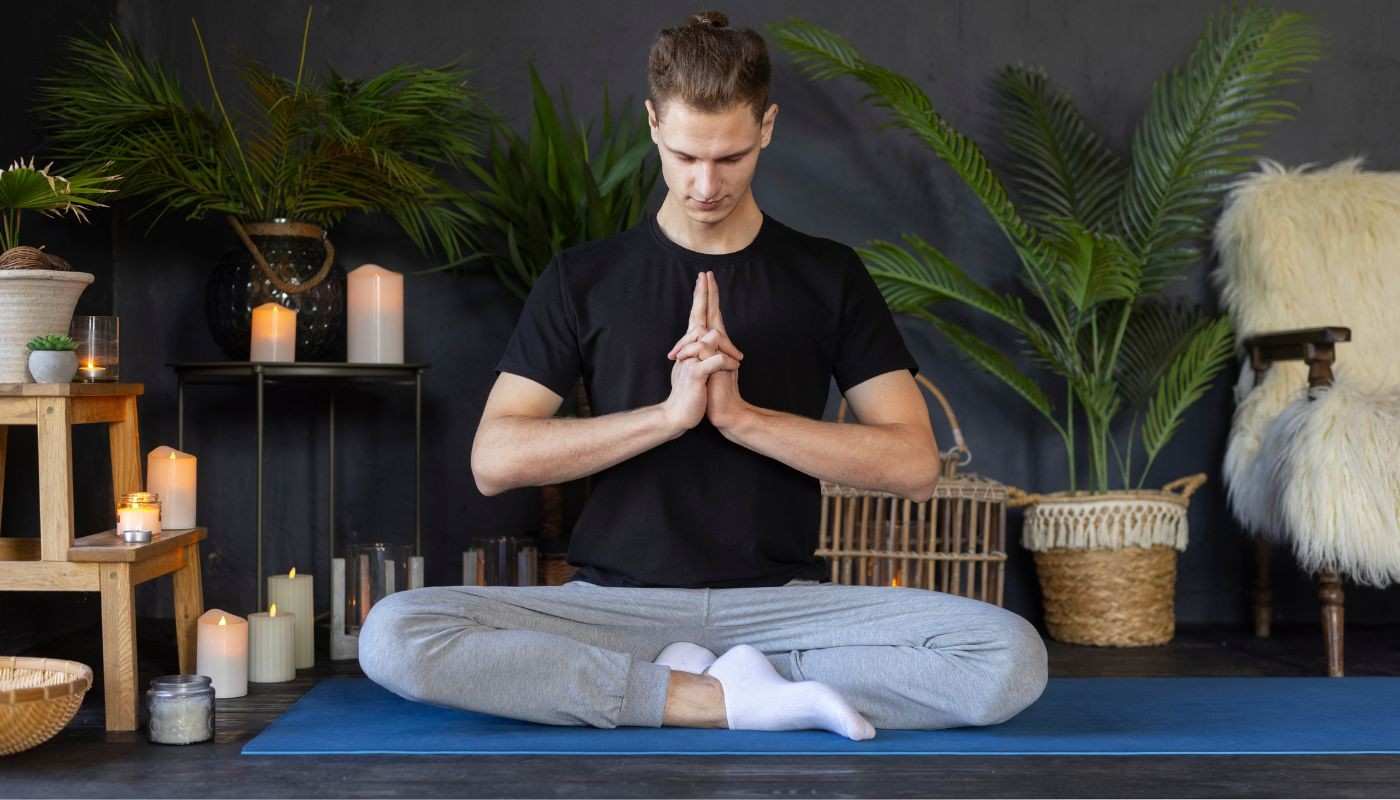
For those new to contemplative practice, meditation techniques beginners should emphasise simplicity, accessibility, and gradual skill development. Starting with breath awareness provides an ideal foundation because breathing serves as both an anchor for attention and a bridge between voluntary and involuntary bodily processes.
- Basic mindfulness of breathing involves simply observing the natural rhythm of inhalation and exhalation without trying to control or change the breath. When attention wanders – which happens frequently for beginners – practitioners gently return focus to breathing sensations without self-criticism or frustration.
- Body scan meditation offers another excellent starting point, involving systematic attention to different body parts from head to toe. This practice develops both concentration skills and body awareness while being accessible to people who find breath focus challenging or anxiety-provoking.
- Guided meditations provide valuable support for beginners, offering instruction and encouragement throughout practice sessions. Audio guides help maintain focus while teaching proper technique, making them particularly useful during the initial learning phase.
- Walking meditation adapts contemplative practice for people who struggle with stillness or prefer movement-based approaches. By coordinating attention with slow, deliberate steps, practitioners develop mindfulness while engaging the body in gentle, rhythmic activity.
Advanced Meditation: Deepening Practice and Understanding
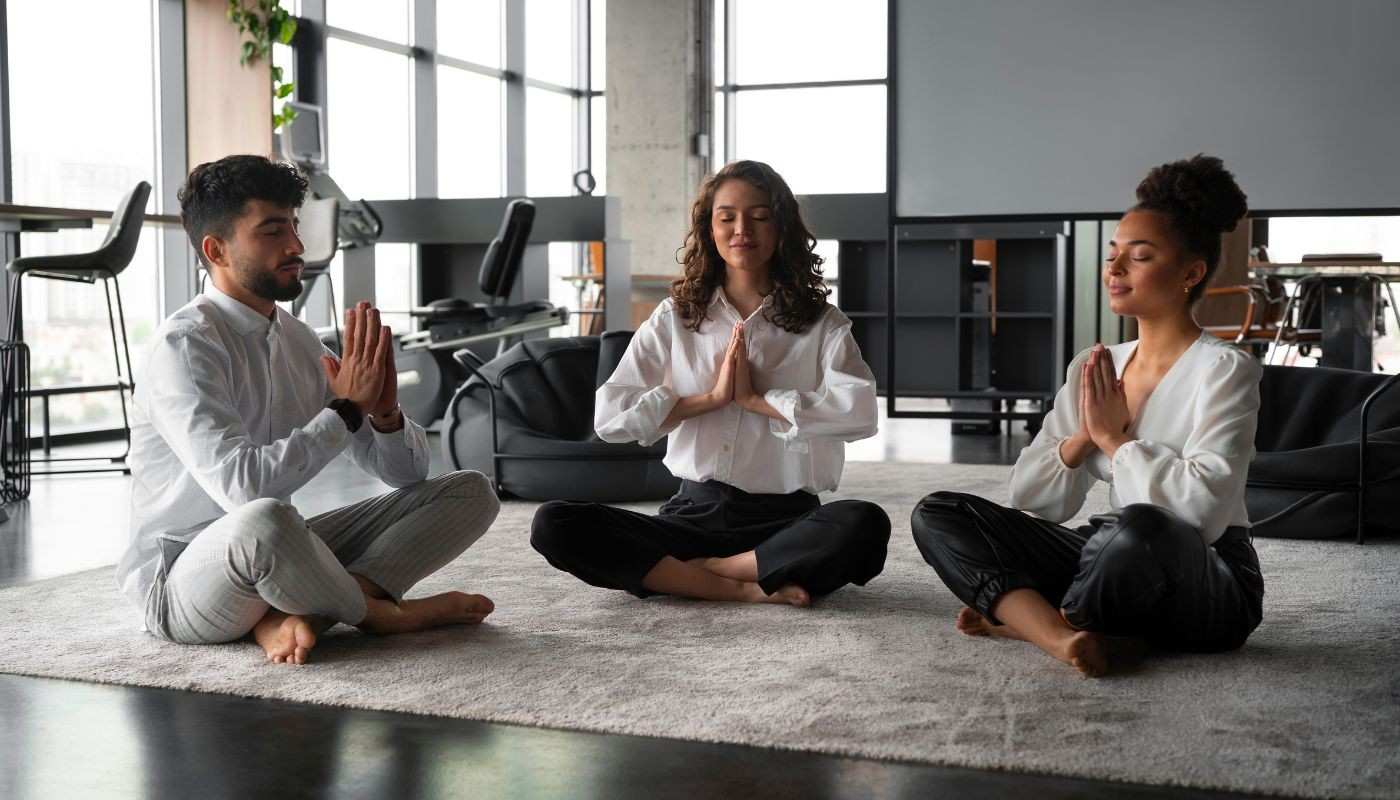
Advanced meditation involves refining technique, extending practice duration, and exploring subtle aspects of consciousness that become accessible through years of consistent training. Rather than entirely new methods, advancement often means bringing greater precision, sensitivity, and depth to fundamental practices.
Advanced practitioners typically develop the ability to maintain stable attention for extended periods while simultaneously cultivating refined awareness of subtle mental and physical processes. This enhanced sensitivity allows for deeper investigation into the nature of consciousness, perception, and identity itself.
What distinguishes advanced meditation includes the capacity to work skillfully with challenging mental states, using difficult emotions or painful sensations as objects of contemplative inquiry rather than obstacles to overcome. This approach transforms all experience into opportunities for wisdom and growth.
Retreat practice becomes increasingly important for advanced practitioners, providing intensive opportunities to deepen understanding and access states of consciousness unavailable during brief daily sessions. Extended periods of meditation reveal patterns and insights invisible during shorter practices.
The integration of contemplative awareness into daily activities represents perhaps the most significant marker of advanced practice. Rather than being confined to formal sessions, meditation becomes a way of engaging with all life experiences with presence, wisdom, and compassion.
Meditation Techniques by Goal and Specialised Applications

Different meditation approaches serve specific wellness goals, allowing practitioners to choose techniques aligned with their primary intentions and needs. Understanding these connections helps individuals develop targeted practices that efficiently address particular challenges or aspirations.
Meditation for Stress and Anxiety
For stress reduction and anxiety management, mindfulness-based stress reduction techniques and breath-focused practices show particular effectiveness. These approaches calm the nervous system while developing skills for managing difficult emotions and challenging life circumstances with greater equanimity.
Concentration and Cognitive Enhancement
Concentration and cognitive enhancement benefit from single-pointed attention practices such as breath concentration or mantra meditation. Research demonstrates that these focused techniques improve working memory, sustained attention, and executive function while reducing mind-wandering and distraction.
Relationships and Healing
Emotional healing and relationship enhancement respond well to loving-kindness meditation, compassion practices, and forgiveness meditations. These heart-centered approaches develop positive emotional states while healing old wounds and improving interpersonal connections.
Sleep and Relaxation
Sleep and relaxation problems often improve through yoga nidra, progressive relaxation, and gentle mindfulness practices performed before bedtime. These techniques activate the parasympathetic nervous system, promoting natural sleep cycles and deeper rest.
Creative and spiritual development benefit from open awareness practices, contemplative inquiry methods, and techniques that explore the nature of consciousness itself. These approaches support artistic inspiration while fostering deeper understanding of existence and meaning.
Specialised Modern Applications: Ecomeditation and Quantum Approaches
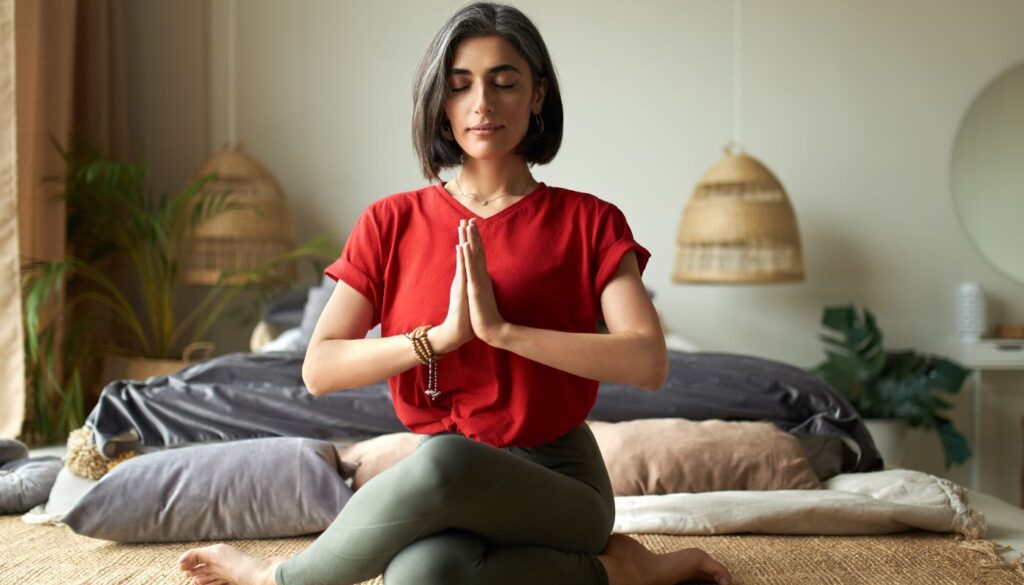
Contemporary meditation development has produced innovative approaches that address modern concerns while honoring traditional wisdom. Ecomeditation represents one such evolution, combining contemplative practice with environmental awareness and nature connection to promote both personal and planetary healing.
Ecomeditation
Ecomeditation practices often involve outdoor meditation, environmental visualisation, and cultivating feelings of connection with natural systems. Research suggests that combining meditation with nature exposure produces enhanced benefits for stress reduction, creativity, and overall well-being compared to indoor practice alone.
Quantum Healing Meditation
What is quantum healing meditation, this very question represents another contemporary development, drawing upon quantum physics concepts to explore consciousness and healing. While scientific validation remains limited, practitioners report profound experiences of healing and transformation through these approaches.
Quantum Jumping Meditation
Quantum jumping meditation explores the possibility of accessing alternate realities or potential selves through meditative states. Though controversial, these practices reflect growing interest in consciousness exploration and the potential for meditation to access non-ordinary states of awareness.
Water Meditation
Water meditation incorporates the healing properties of water – either through visualisation, actual water exposure, or focusing on water sounds – to promote emotional cleansing and renewal. The fluid nature of water serves as a metaphor for the flowing, changing nature of consciousness itself.
These modern developments demonstrate meditation’s continued evolution and adaptation to contemporary needs while maintaining core principles of awareness development and inner transformation that have sustained contemplative traditions for millennia.
Conclusion

The journey of understanding what meditation is reveals a profound technology for human flourishing that bridges ancient wisdom with modern science. Through consistent practice and patient exploration, meditation offers a pathway to greater peace, wisdom, and connection in our complex modern world. The diversity of available techniques ensures that everyone can find approaches suited to their unique needs, circumstances, and aspirations.
Regular meditation practice represents one of the most valuable investments individuals can make in their long-term health, happiness, and personal development. As research continues to validate the extensive benefits of contemplative training, meditation stands as an essential component of comprehensive wellness approaches for the 21st century.
References:
- Widjojo, N. “Global Meditation Market Size, Share & Industry Analysis.” Fortune Business Insights, 2023.
- Hölzel, B.K., et al. “Mindfulness practice leads to increases in regional brain gray matter density.” Psychiatry Research: Neuroimaging, vol. 191, no. 1, 2011, pp. 36-43.
- 6 Months of Meditation Training Significantly Reduces Cortisol Secretion and Systemic Stress,https://globalwellnessinstitute.org/global-wellness-institute-blog/2022/01/28/6-months-of-meditation-training-significantly-reduces-cortisol-secretion-and-systemic-stress/?utm_source=chatgpt.com
- Tang, Y.Y., et al. “The neuroscience of mindfulness meditation.” Nature Reviews Neuroscience, vol. 16, no. 4, 2015, pp. 213-225.
- Levine, G.N., et al. “Meditation and Cardiovascular Risk Reduction.” Journal of the American Heart Association, vol. 6, no. 10, 2017.Goyal, M., et al. “Meditation programs for psychological stress and well-being: a systematic review and meta-analysis.” JAMA Internal Medicine, vol. 174, no. 3, 2014, pp. 357-368.