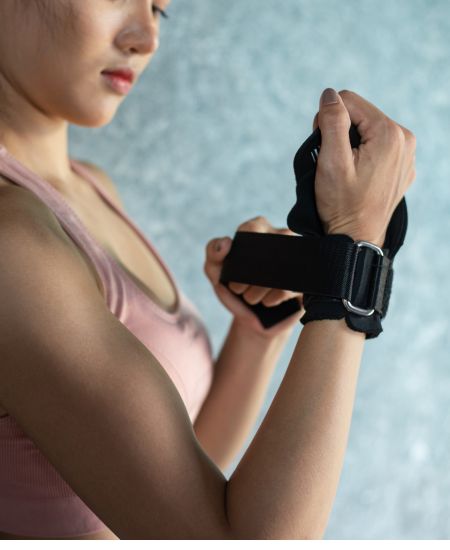

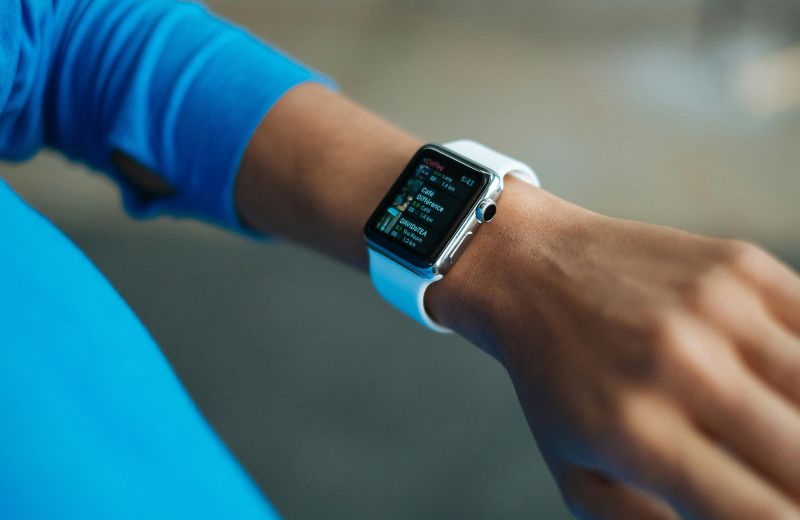
Health wearables represent a revolutionary shift from reactive healthcare to proactive monitoring, providing continuous access to biometric data once available only in clinical settings. These sophisticated devices track heart rate variability, sleep patterns, stress levels, activity metrics, and emerging biomarkers like blood glucose and body temperature, enabling individuals to make data-driven decisions about their wellness and longevity protocols in real-time.

Wearable tech The devices on your wrist and finger are collecting more data about your health than most people realise, yet the majority barely scratch the surface of their potential. Modern wearables are revolutionising personal healthcare by predicting illness before symptoms appear and optimising performance in ways that seemed impossible just years ago.
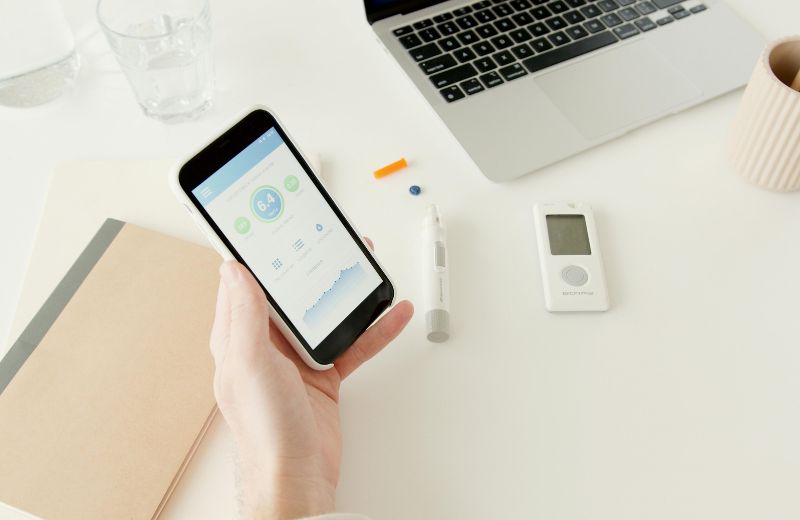
Continuous glucose monitoring was once reserved for diabetics, but now healthy individuals are using these devices to unlock metabolic insights that transform energy levels, weight management, and longevity strategies. The data reveals surprising truths about how your body responds to foods, exercise, stress, and sleep in ways that challenge everything you thought you knew about nutrition.
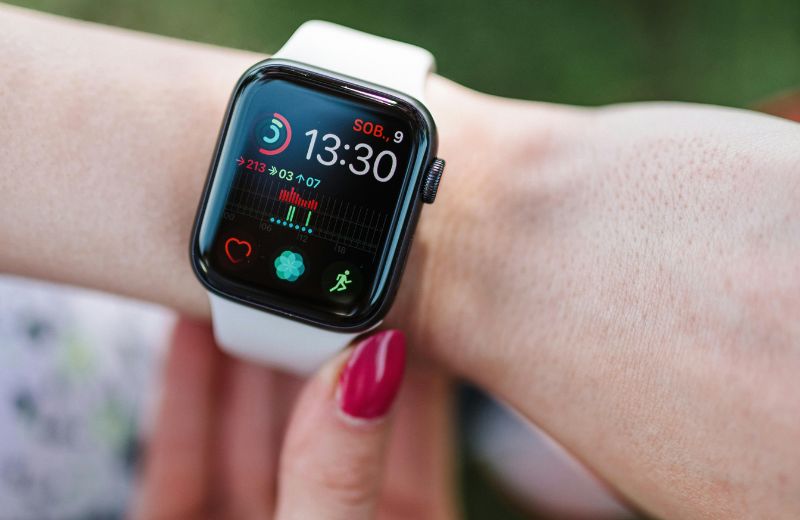
Your heart rate tells a story that goes far beyond fitness tracking, revealing stress patterns, recovery status, illness onset, and emotional states with remarkable precision. Modern heart rate monitoring has evolved into a sophisticated early warning system that could fundamentally change how you approach wellness and performance optimisation.
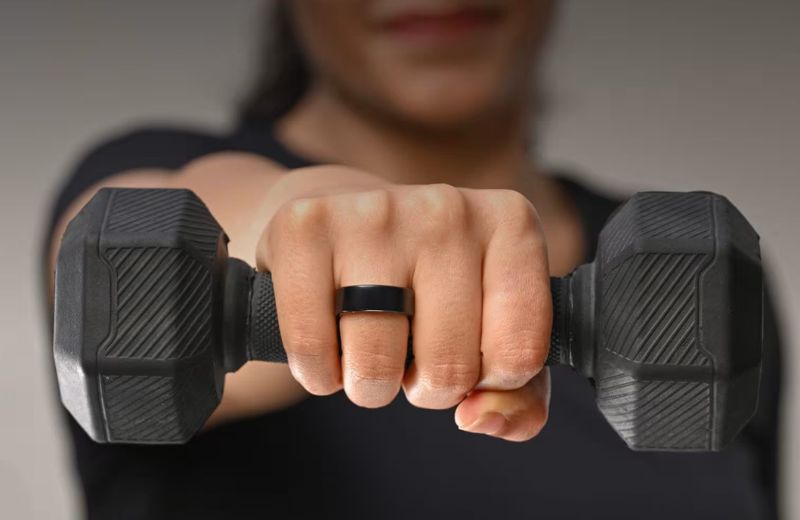
This titanium ring weighing just 3.1 grams tracks more health metrics than devices ten times its size, whilst remaining virtually invisible on your finger. The comprehensive health insights it provides - from sleep architecture to stress patterns - challenge the assumption that effective health monitoring requires bulky, obvious technology.
The true power of wearable technology lies not just in data collection but in pattern recognition and early detection of health changes before symptoms appear. By monitoring subtle shifts in your physiological markers over weeks and months, these devices can identify emerging health issues, track the effectiveness of lifestyle interventions, and provide personalised insights that help optimise everything from sleep quality to exercise recovery and stress management.
What distinguishes modern health wearables from basic fitness trackers is their integration of multiple sophisticated sensors with artificial intelligence that learns your individual patterns and provides contextualised feedback. Rather than simply counting steps or calories, today's devices create comprehensive health profiles that reveal how your daily choices affect your biological systems, enabling precision wellness approaches that were previously impossible outside clinical environments.
Research consistently demonstrates that continuous health monitoring through wearables leads to measurable improvements in health outcomes and behaviour modification. Studies show that people who track their health metrics consistently achieve better sleep quality, increased physical activity levels, improved stress management, and enhanced awareness of how lifestyle choices affect their physiological markers. This real-time feedback creates powerful motivation for positive behaviour changes.
Advanced devices can detect irregular heart rhythms, identify signs of illness before symptoms appear, monitor stress patterns that predict burnout, and track recovery metrics that prevent overtraining or chronic fatigue. This proactive approach to health monitoring supports longevity by catching problems early when interventions are most effective.
Smartwatches represent the most comprehensive category, combining fitness tracking, heart rate monitoring, sleep analysis, and increasingly sophisticated health features like ECG readings and blood oxygen monitoring. These devices excel at providing holistic health pictures and seamless integration with daily life, making them ideal for users who want comprehensive tracking without multiple devices.
Specialised wearables focus on specific health metrics with greater accuracy and depth. Continuous glucose monitors provide real-time blood sugar insights for metabolic optimisation, whilst advanced sleep trackers offer detailed analysis of sleep stages and recovery. Heart rate variability monitors, smart rings, and wearable patches target specific biomarkers with clinical-grade precision, allowing for targeted health optimisation strategies that address individual wellness priorities.
Begin with clear goals about what health metrics matter most for your wellness journey rather than trying to track everything simultaneously. Start with fundamental metrics like sleep quality, daily activity, and heart rate patterns, then gradually expand to more specialised measurements as you develop consistent tracking habits and understand how different factors affect your health.
Choose devices that integrate seamlessly with your lifestyle and provide actionable insights rather than just data dumps. Look for wearables with user-friendly apps, reliable accuracy for your priority metrics, comfortable designs for continuous wear, and strong privacy protections for your health data. Most importantly, select devices you’ll actually use consistently, as irregular tracking provides limited value compared to continuous monitoring.
Effective wearable integration transforms passive data collection into active health optimisation through strategic use of insights to guide daily decisions. Use sleep data to adjust bedtime routines, heart rate variability to guide workout intensity, stress monitoring to implement relaxation techniques, and activity tracking to optimise movement throughout your day. The key is translating data into specific, actionable changes rather than simply collecting information.
Advanced integration involves using wearable data to optimise other wellness practices and track the effectiveness of interventions over time. Monitor how different foods affect your glucose levels, track recovery metrics to optimise exercise programming, use sleep data to refine your sleep hygiene practices, and correlate stress patterns with lifestyle factors to identify optimisation opportunities. This systematic approach maximises the value of continuous monitoring for long-term health outcomes.
Chest-worn devices and under-mattress sensors generally provide the most accurate sleep tracking, as they can detect breathing patterns and movement more precisely than wrist-worn devices. However, wrist-based trackers like the Gabit Ring and advanced smartwatches offer excellent accuracy for most users whilst being more comfortable for nightly wear. The most accurate option depends on your specific needs and comfort preferences.
Wearable technology enables the shift from reactive to predictive healthcare by providing continuous monitoring that catches health issues before symptoms appear. This proactive approach reduces healthcare costs, improves outcomes, and empowers individuals to make data-driven wellness decisions in real-time rather than relying solely on periodic medical visits.
Wearables use multiple sensors including photoplethysmography (PPG) for heart rate, accelerometers for movement, and various other sensors to continuously collect physiological data. This raw sensor data is processed by algorithms that identify patterns, calculate health metrics, and provide insights through smartphone apps that translate complex data into actionable wellness information.
Wearables are transforming healthcare by enabling remote patient monitoring, early disease detection, and personalised treatment plans based on continuous real-world data rather than brief clinical snapshots. They’re reducing hospital readmissions, improving chronic disease management, and helping healthcare providers make more informed decisions using comprehensive patient data collected outside clinical settings.
Some newer wearables can estimate blood pressure using photoplethysmography and pulse wave analysis, but most consumer devices aren’t accurate enough for medical diagnosis and require calibration with traditional cuff measurements. Whilst the technology is improving rapidly, traditional blood pressure cuffs remain the gold standard for accurate readings, particularly for managing hypertension or other cardiovascular conditions.