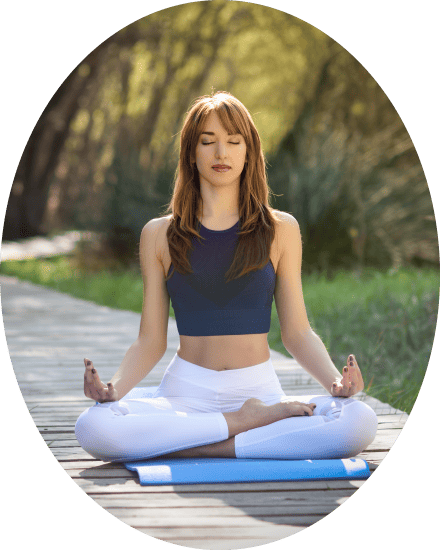


Meditation isn’t about emptying your mind or achieving perfect zen – it’s about developing a healthier relationship with your thoughts, emotions, and stress responses. This ancient practice, now backed by extensive scientific research, trains your brain to be more aware, focused, and resilient. Regular meditation creates measurable changes in brain structure and function, supporting everything from better sleep and reduced anxiety to enhanced immune function and improved emotional regulation.

Meditation can transform your stress response, enhance focus, and rewire your brain for resilience in just minutes daily. Discover how this ancient practice backed by modern neuroscience could revolutionise your approach to wellness.

Starting a meditation practice is simpler than you think - no special equipment, perfect posture, or hours of time required. Discover the techniques that make meditation achievable for even the busiest lifestyles and deliver immediate benefits.

From breath-focused techniques to movement-based practices, different meditation styles unlock unique benefits for your mind and body. Discover which approach aligns perfectly with your personality and wellness goals.

Anxiety affects millions, yet one ancient practice consistently outperforms modern treatments in clinical studies for calming racing thoughts. Discover how meditation can rewire your anxiety response and restore natural calm.

Research consistently shows that meditation delivers profound wellness benefits across multiple domains. Studies demonstrate reduced cortisol levels and improved stress resilience, enhanced focus and cognitive performance, better sleep quality and duration, and strengthened immune system function. Regular practitioners often experience lower blood pressure, reduced inflammation markers, improved emotional stability, and increased grey matter density in brain regions associated with learning and memory. These aren't just temporary effects - consistent practice creates lasting positive changes in both brain structure and overall health.
Starting a meditation practice doesn’t require hours of commitment or perfect conditions. Begin with just 5-10 minutes daily, choosing a consistent time that fits your routine. Create a quiet, comfortable space free from distractions, though this can be as simple as a corner of your bedroom or even your office chair.
Use guided meditations through apps or online resources initially – they provide structure and instruction while you develop your skills.
Focus on consistency over duration; five minutes daily beats an hour once weekly for building lasting habits and benefits.
Meditation amplifies other wellness practices rather than replacing them.
Morning meditation can set a focused, calm tone for your day, while evening practice helps transition from daily stress to restful sleep. Combining meditation with exercise (like mindful walking) or using brief meditation sessions for recovery between activities maximizes benefits. Many people find that meditation improves their relationship with food, exercise motivation, and overall lifestyle choices by enhancing self-awareness and emotional regulation.
Sustainable meditation practice develops gradually through patience and self-compassion rather than rigid discipline. Start with realistic commitments you can maintain, then slowly extend duration or frequency as the habit becomes established. Track your practice simply – noting daily completion and occasional reflections on benefits helps maintain motivation. Remember that meditation benefits accumulate over time; consistency matters more than perfection, and even imperfect practice delivers meaningful wellness improvements.Retry
Meditation originated thousands of years ago across multiple ancient cultures, with documented practices in India (Hindu and Buddhist traditions), China (Taoist practices), and other spiritual traditions. Archaeological evidence suggests meditative practices existed over 5,000 years ago, initially developed for spiritual growth and self-understanding.
Meditation enhances mental resilience, emotional regulation, and physical health by training your brain to respond rather than react to stress. Regular practice improves focus, reduces anxiety, supports better sleep, and creates lasting positive changes in brain structure that support overall wellness and cognitive performance.
Neuroimaging studies show meditation increases grey matter density in areas linked to learning, memory, and emotional regulation whilst reducing activity in the amygdala (fear centre). It strengthens the prefrontal cortex for better decision-making and enhances neural connectivity, literally rewiring your brain for greater calm and focus.
Research suggests meditation can significantly benefit ADHD symptoms by improving attention span, reducing impulsivity, and enhancing emotional regulation. Mindfulness-based practices help train sustained attention whilst reducing the mental restlessness characteristic of ADHD, though it works best alongside other treatments.
Yes, meditation is highly effective for anxiety management. Studies consistently show reduced anxiety symptoms through regular practice, as meditation helps break the cycle of anxious thoughts, activates the relaxation response, and builds skills for managing worry and stress more effectively.