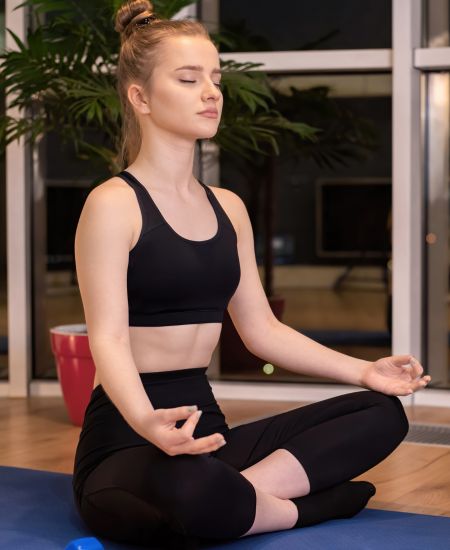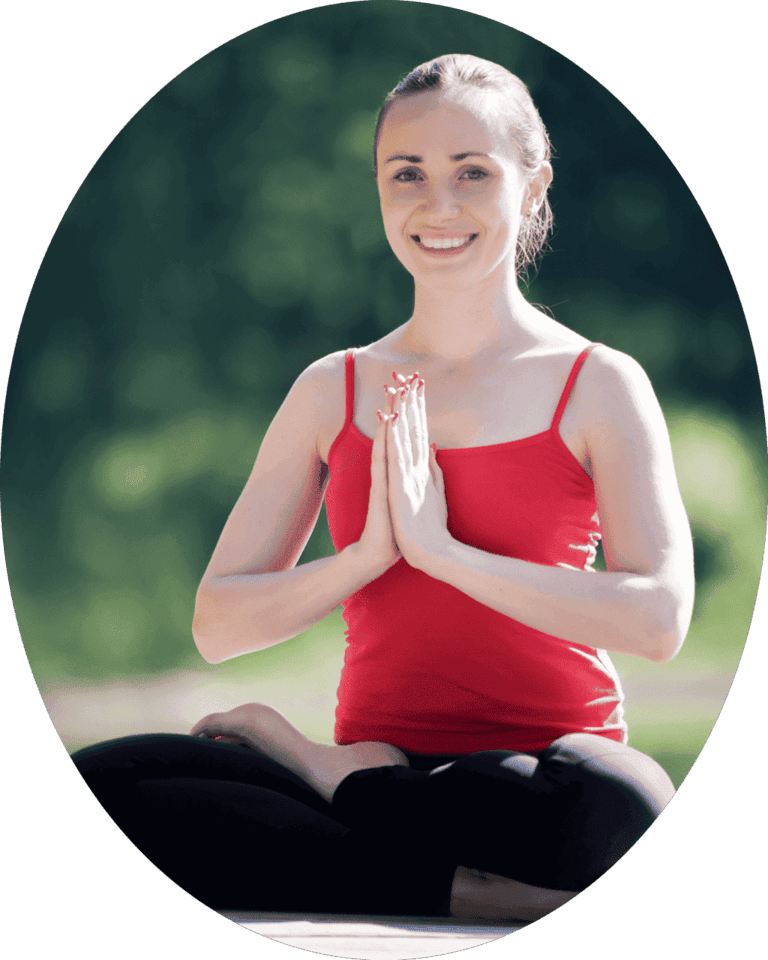

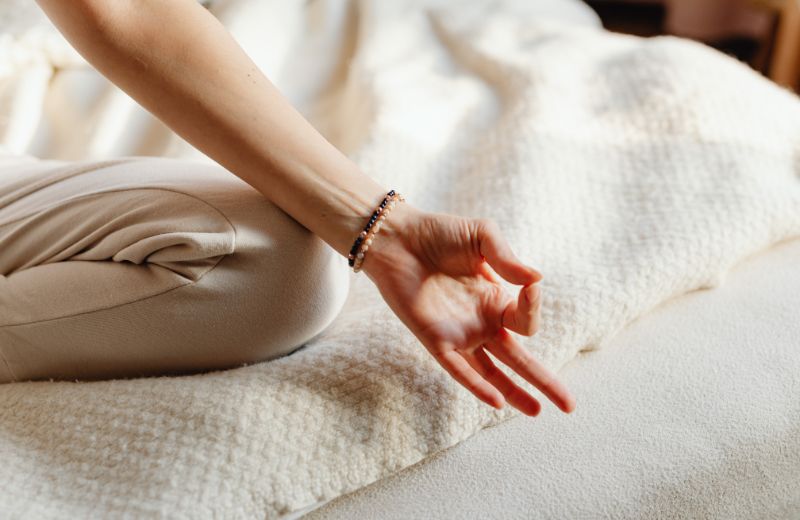
Yoga is far more than physical postures or trendy workout classes – it’s a comprehensive system that integrates movement, breathwork, and mindfulness to enhance both physical and mental wellbeing. This ancient practice, now validated by extensive modern research, creates a unique combination of strength training, flexibility work, stress reduction, and mind-body awareness that few other activities can match.

Certain yoga poses trigger your body's natural stress-release mechanisms whilst simultaneously building physical and mental resilience in ways that surprise most practitioners. These specific sequences work faster than traditional relaxation methods and create lasting strength that extends far beyond the mat.
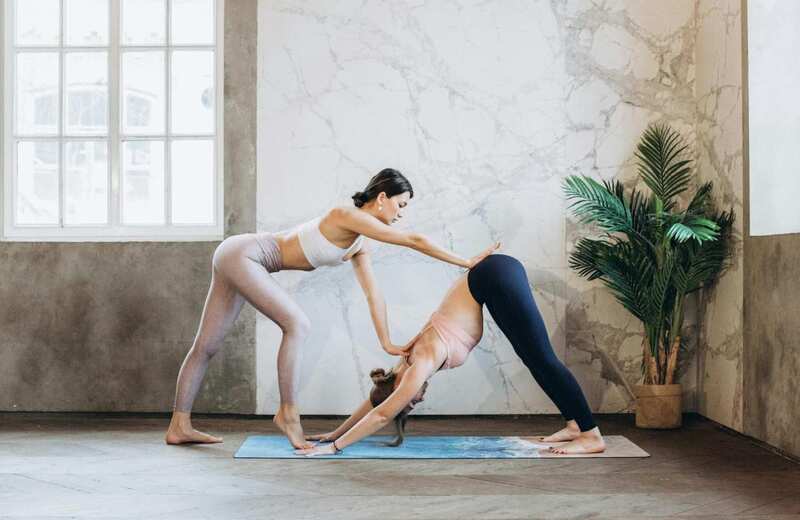
Proper alignment in yoga isn't just about looking graceful - it unlocks energy pathways and transforms how you feel both during practice and throughout daily life. Discover the subtle adjustments that make every pose more powerful and reveal the radiant confidence that comes from moving with authentic presence.
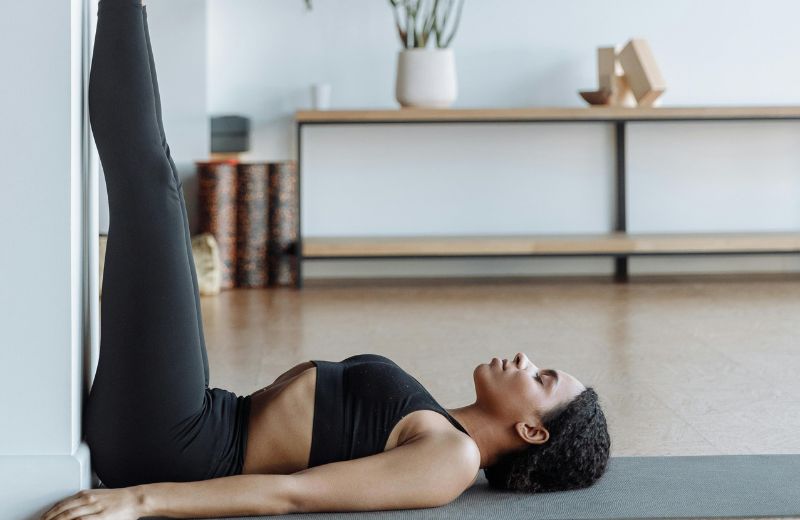
In our hyperconnected world, this slower yoga style offers something radical: the chance to truly pause and reconnect with your natural rhythm. Hatha's deliberate pace reveals profound benefits that faster practices often miss, creating deep restoration that busy minds desperately need.
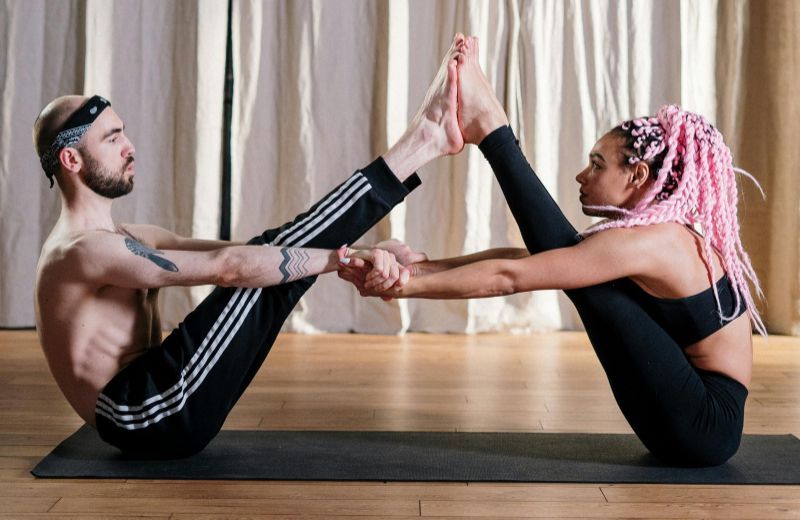
Partner yoga creates unique opportunities for trust, communication, and shared growth that individual practice simply cannot provide. These collaborative poses deepen relationships whilst enhancing flexibility and strength, revealing how vulnerability and support can transform both your practice and your connections.
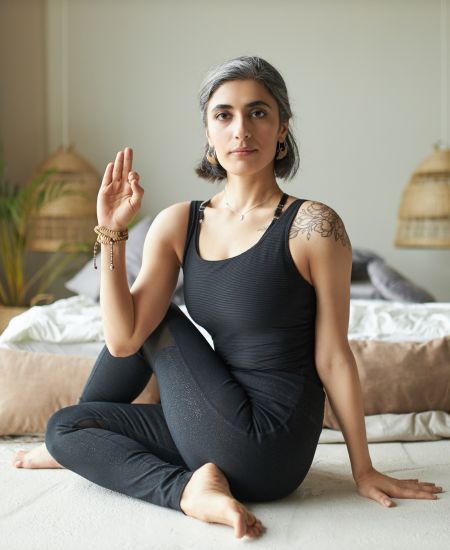
At its core, yoga teaches you to move with intention while coordinating breath and movement, creating a moving meditation that calms your nervous system whilst building physical resilience. Unlike purely physical exercise, yoga addresses multiple wellness dimensions simultaneously - improving flexibility, strength, and balance whilst reducing stress, anxiety, and mental tension.
The practice works by activating your parasympathetic nervous system (your body's rest-and-digest mode) through controlled breathing and mindful movement. This physiological shift counters the chronic stress response that characterises modern life, helping restore balance to your hormonal, immune, and cardiovascular systems. Regular yoga practice essentially rewires your stress response, teaching your body how to return to calm more quickly and efficiently.
Research consistently demonstrates that yoga delivers measurable improvements across multiple aspects of physical and mental health. Studies show significant reductions in cortisol levels and inflammatory markers, indicating genuine stress relief at the cellular level. This isn’t just subjective relaxation – it’s documented biological change that supports immune function and reduces disease risk.
Mental health benefits rival established therapies for anxiety and depression. Regular practitioners experience improved mood stability, reduced rumination, and better emotional regulation through the mindfulness component that teaches present-moment awareness. Sleep quality often improves dramatically as the nervous system learns to shift into relaxation mode more readily, with faster sleep onset and deeper rest quality.
Different styles offer varying intensities to match your goals and preferences. Hatha yoga emphasises basic postures held for several breaths, ideal for beginners seeking gentle practice focused on alignment. Vinyasa flows link movement with breath in dynamic sequences that build strength whilst maintaining meditative quality.
Yin yoga involves passive poses held for 3-5 minutes, targeting deep tissues and promoting profound relaxation – perfect for complementing active lifestyles. Restorative yoga uses props for complete support, focusing on nervous system relaxation and stress relief. Hot yoga promotes deeper flexibility in heated rooms, while power yoga emphasises athleticism and strength for fitness-focused practitioners.
Begin with 15-20 minute sessions using online videos or beginner classes, focusing on consistency over duration. Essential equipment remains minimal: a yoga mat, comfortable clothing, and perhaps blocks or straps for modifications. Most poses can be adapted using household items if specialised props aren’t available.
Focus on proper alignment and breathing rather than advanced poses. Yoga is non-competitive – practice should feel challenging but never painful. Consider attending beginner classes for personalised guidance on alignment and injury prevention. Listen to your body, respect its limits while maintaining gentle persistence, and remember that mental benefits often appear before dramatic physical changes.
Yoga complements other practices beautifully rather than competing with them. Morning sessions energise and focus your day, while evening practice promotes relaxation and better sleep. The mindfulness skills enhance other activities, from exercise performance to daily stress management.
Use gentle yoga for active recovery between intense training – it addresses muscle tension and improves flexibility, balance, and body awareness that benefit athletic performance. Combining yoga with meditation deepens both practices, whilst the increased body awareness often naturally improves nutritional choices and eating habits through more conscious decision-making.
Yoga simultaneously improves flexibility, strength, and balance whilst reducing stress, anxiety, and inflammation. It activates your parasympathetic nervous system, promoting better sleep, mood regulation, and cardiovascular health. The mind-body connection enhances overall wellbeing in ways that purely physical exercise cannot match.
Yes, yoga can support weight loss through increased muscle mass, improved metabolism, and enhanced body awareness that promotes mindful eating habits. More dynamic styles like vinyasa burn significant calories, whilst all forms reduce stress-related cortisol that contributes to weight gain and belly fat storage.
No, they’re distinct practices with different origins and focuses. Yoga is an ancient mind-body practice emphasising flexibility, breathwork, and spiritual connection, whilst Pilates is a modern exercise system focused on core strength, precise movements, and physical rehabilitation developed in the early 20th century.
Hatha yoga is ideal for beginners because it emphasises basic postures held for several breaths, allowing time to learn proper alignment and breathing techniques. Gentle or beginner vinyasa classes also work well, providing slightly more movement whilst maintaining accessible poses and clear instruction.
Yoga works by coordinating breath with movement to activate your parasympathetic nervous system, shifting your body from stress mode to rest-and-digest mode. This combination of physical postures, controlled breathing, and mindful awareness creates measurable changes in brain structure, hormone levels, and inflammatory responses throughout your body.