

Science of Anti Ageing Serums:
What Really Works
Home » Longevity » Anti – Ageing » Anti Ageing Serums
The quest for youthful, radiant skin has led countless individuals to explore the transformative world of anti-ageing skincare. Research shows that collagen production decreases by approximately 1% per year after age 25, contributing to the formation of fine lines and loss of skin firmness⁴.
Among the most potent and effective solutions available today, serums stand out as concentrated powerhouses of active ingredients designed to address the visible signs of ageing. These lightweight yet potent formulations deliver targeted benefits that can dramatically improve skin texture, tone, and overall appearance.
Unlike heavier creams or moisturisers, serums penetrate deeper into the skin’s layers, delivering high concentrations of active ingredients where they’re needed most. This unique formulation approach allows for maximum efficacy whilst maintaining a lightweight, non-greasy feel that suits various skin types and preferences.
Modern skincare science has revolutionised our understanding of how specific ingredients can combat the signs of ageing at the cellular level. From stimulating collagen production to accelerating cell turnover and providing deep hydration, today’s serums offer sophisticated solutions that address multiple ageing concerns simultaneously.
The beauty of incorporating serums into your skincare routine lies in their versatility and effectiveness. Whether you’re dealing with fine lines, dark spots, loss of firmness, or dullness, there’s likely a serum formulation designed to target your specific concerns whilst supporting overall skin health and vitality.
Understanding Anti Ageing Serum Benefits
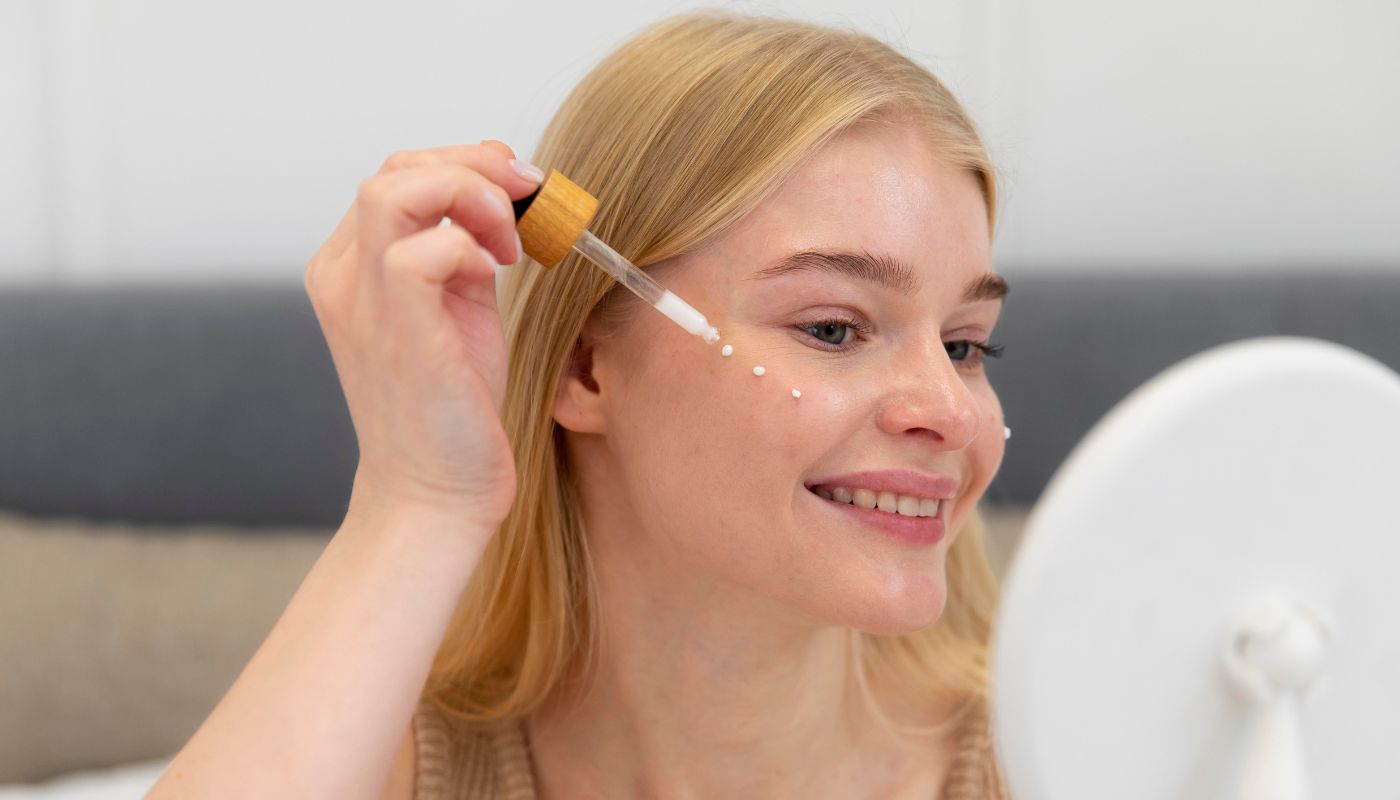
Anti ageing serum benefits extend far beyond simple moisturisation, offering targeted solutions that address the underlying causes of skin ageing. These concentrated formulations work at the cellular level to stimulate natural repair processes, boost collagen production, and protect against environmental damage that accelerates the ageing process.
One of the primary advantages of serums lies in their molecular structure. The smaller molecular size of serum ingredients allows them to penetrate deeper into the skin compared to traditional creams and lotions. This enhanced penetration ensures that active ingredients reach the dermis, where they can effectively stimulate cellular renewal and repair processes.
Research indicates that consistent use of anti-ageing serums can increase skin hydration by up to 30% within four weeks of regular application¹. This improved hydration not only enhances the skin’s appearance immediately but also supports long-term skin health by maintaining the skin barrier function and promoting optimal cellular metabolism.
The multi-layered approach of modern anti-ageing serums addresses various aspects of skin ageing simultaneously. While some ingredients focus on stimulating collagen synthesis to improve skin firmness and elasticity, others target pigmentation issues, enhance cellular turnover, or provide powerful antioxidant protection against free radical damage.
The cumulative effect of these benefits becomes apparent with consistent use over time. Users typically notice improvements in skin texture and radiance within the first few weeks, with more significant changes in fine lines, firmness, and overall skin quality becoming evident after 8-12 weeks of regular application.
Key mechanisms of action include:
- Collagen stimulation – Active ingredients trigger natural collagen production, improving skin firmness, elasticity, and reducing the appearance of fine lines and wrinkles
- Cellular renewal acceleration – Ingredients promote faster cell turnover, revealing fresher, more youthful-looking skin whilst improving texture and tone
- Deep hydration delivery – Humectant ingredients attract and retain moisture within skin layers, plumping the skin and reducing the visibility of aging signs
- Antioxidant protection – Powerful antioxidants neutralise free radicals that cause premature ageing, protecting skin from environmental damage and oxidative stress
- Pigmentation correction – Specialised ingredients target dark spots and uneven skin tone, promoting a more uniform and radiant complexion
Understanding how serums work helps users set realistic expectations and develop consistent application routines that maximise benefits. The key to success lies in patience, consistency, and choosing formulations appropriate for individual skin types and concerns.
Essential Anti Ageing Serum Ingredients
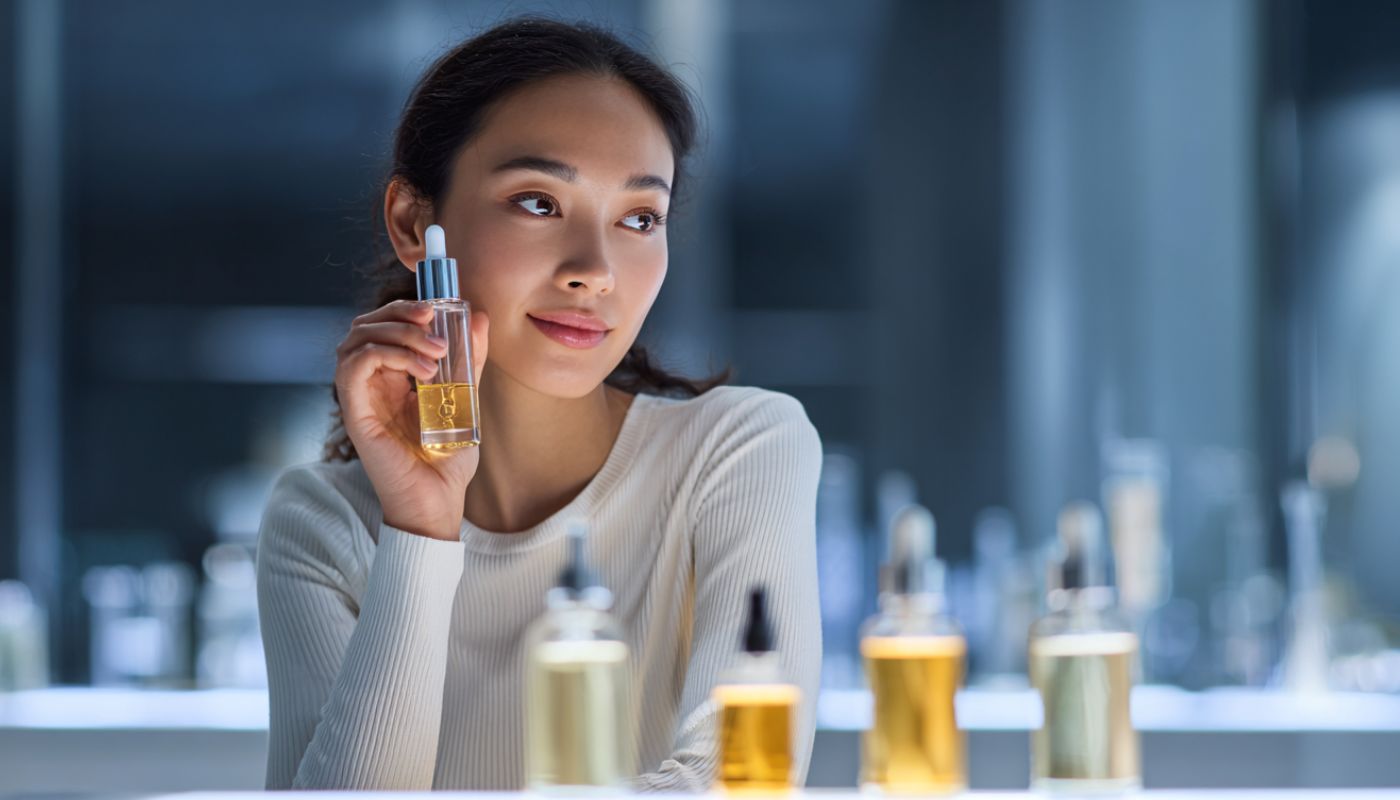
The effectiveness of any anti-ageing serum depends largely on its active ingredients and their concentrations. Understanding these powerful components helps consumers make informed decisions about which formulations best address their specific skin concerns and goals.
Retinoids
Retinoids represent the gold standard in anti-ageing ingredients, with decades of research supporting their effectiveness in reducing fine lines, improving skin texture, and stimulating collagen production. These vitamin A derivatives work by accelerating cellular turnover and promoting the formation of new, healthy skin cells while encouraging collagen synthesis in the deeper layers of the skin.
Vitamin C
Vitamin C serves as another cornerstone ingredient, offering powerful antioxidant protection whilst brightening the complexion and supporting collagen formation. L-ascorbic acid, the most potent form of vitamin C, can significantly improve skin radiance and reduce the appearance of dark spots when used consistently over time.
Peptides
Peptides function as cellular messengers, signalling the skin to produce more collagen and elastin. These amino acid chains can penetrate the skin effectively and trigger natural repair processes that improve skin firmness, reduce wrinkle depth, and enhance overall skin quality.
Alpha hydroxy acids (AHAs)
Alpha hydroxy acids (AHAs) such as glycolic acid and lactic acid provide gentle exfoliation that removes dead skin cells, improves texture, and enhances the penetration of other active ingredients. These naturally derived acids help reveal fresher, more radiant skin whilst stimulating cellular renewal.
Beta hydroxy acids (BHAs)
Beta hydroxy acids (BHAs) like salicylic acid offer similar benefits whilst also penetrating into pores to remove excess oil and debris. This makes BHAs particularly beneficial for those with oily or acne-prone skin who still want to address signs of ageing.
Niacinamide
Niacinamide, a form of vitamin B3, provides multiple benefits including improved skin texture, reduced pore appearance, enhanced barrier function, and regulation of oil production. This versatile ingredient works well with most other actives and rarely causes irritation, making it suitable for sensitive skin types.
Consider these powerful anti-ageing ingredients and their primary functions:
- Hyaluronic acid – Attracts and retains up to 1000 times its weight in water, providing intense hydration and plumping effects that reduce fine line visibility
- Vitamin E – Works synergistically with vitamin C to provide enhanced antioxidant protection whilst supporting skin healing and repair processes
- Growth factors – Protein molecules that stimulate cellular regeneration, collagen production, and tissue repair for comprehensive anti-ageing benefits
- Ceramides – Natural lipids that strengthen the skin barrier, improve moisture retention, and protect against environmental damage and irritation
- Botanical extracts – Plant-derived compounds like green tea, resveratrol, and bakuchiol offer antioxidant benefits and gentle anti-ageing effects suitable for sensitive skin
The concentration and combination of these ingredients significantly impact serum effectiveness. Higher concentrations aren’t always better, as they can cause irritation, particularly in sensitive skin types. The key lies in finding the optimal concentration that provides benefits without causing adverse reactions.
Ingredient stability and formulation technology also play crucial roles in serum effectiveness. Advanced delivery systems help protect sensitive ingredients from degradation whilst enhancing their penetration and efficacy within the skin.
Choosing the Right Serum for Your Skin Type
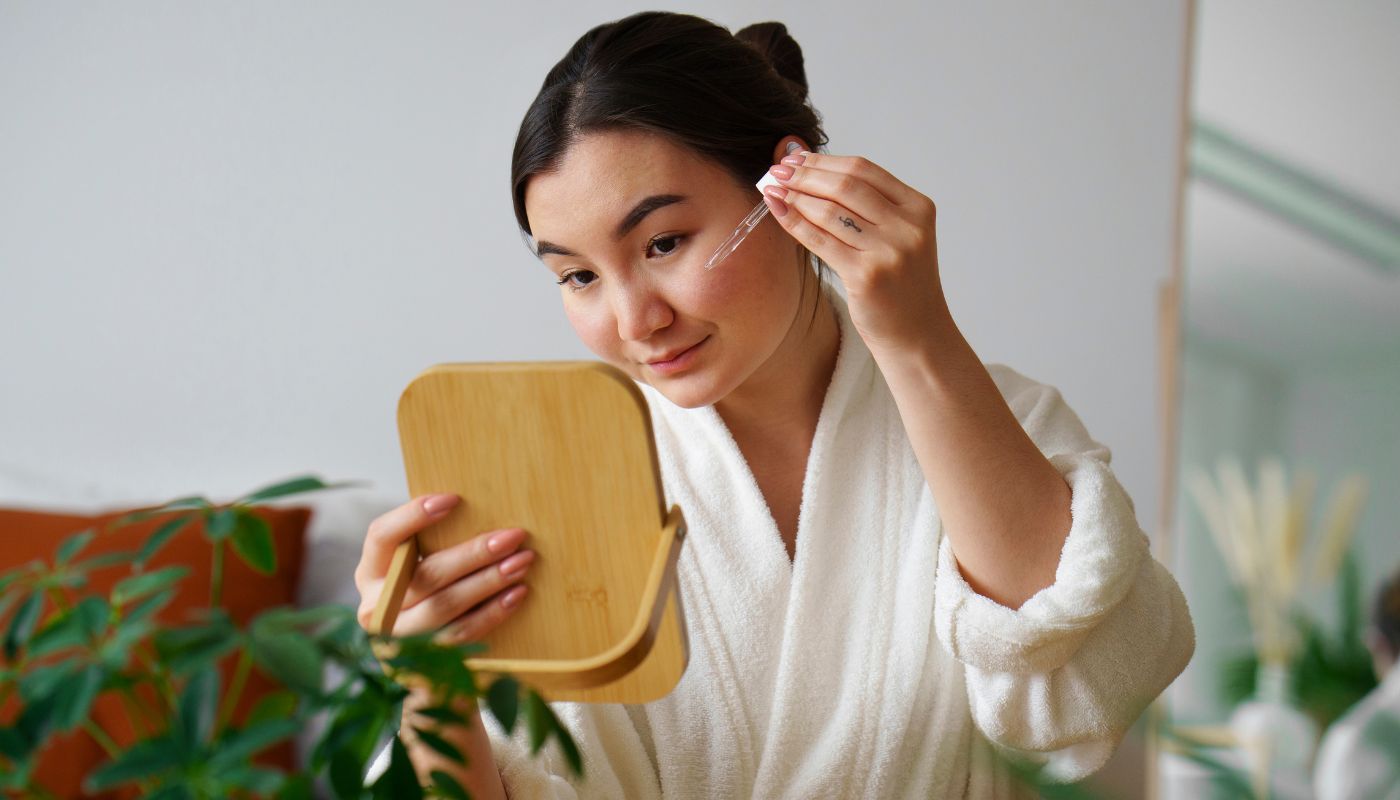
Selecting the most appropriate anti-ageing serum requires careful consideration of your skin type, specific concerns, and sensitivity levels. Different formulations work better for different skin types, and understanding these distinctions helps ensure optimal results while minimising the risk of irritation or adverse reactions.
Dry Skin
An anti ageing serum for dry skin typically focuses on intense hydration and barrier repair whilst addressing signs of ageing. These formulations often feature hyaluronic acid as a primary ingredient, along with ceramides, squalane, and nourishing botanical oils that help restore moisture balance and strengthen the skin’s protective barrier.
Dry skin types benefit from serums that combine multiple hydrating ingredients with gentle anti-ageing actives. The anti aging serum hyaluronic acid provides immediate plumping effects whilst ingredients like peptides and gentle vitamin C derivatives offer long-term anti-ageing benefits without causing dryness or irritation.
For those with dry skin, morning application should focus on hydrating and protective ingredients, whilst evening routines can incorporate more active ingredients like retinol or AHAs. The key is building tolerance gradually whilst maintaining optimal hydration levels throughout the treatment process.
Oil Skin
An anti ageing serum for oily skin requires a different approach, focusing on lightweight, non-comedogenic formulations that won’t clog pores or exacerbate oil production. These serums often feature ingredients like niacinamide, salicylic acid, and oil-free hydrating compounds that address ageing concerns whilst managing excess sebum.
Oily skin types can typically tolerate higher concentrations of active ingredients and may benefit from BHAs that provide dual exfoliation and anti-ageing benefits. However, it’s essential to avoid over-drying the skin, as this can actually trigger increased oil production and irritation.
Sensitive Skin
The approach for an anti ageing serum for sensitive skin emphasises gentle, well-tolerated ingredients that provide anti-ageing benefits without causing redness, burning, or other adverse reactions. These formulations typically feature lower concentrations of actives, soothing ingredients like allantoin or chamomile, and avoid common irritants like fragrances or harsh preservatives.
Sensitive skin requires a gradual introduction approach, starting with lower concentrations and less frequent application until tolerance is established. Patch testing new products and introducing only one new active ingredient at a time helps minimise the risk of reactions whilst allowing the skin to adapt.
Key considerations for other skin types include:
- Combination skin – Multi-zone approach using different serums for T-zone and cheek areas, or choosing balanced formulations that address both oily and dry areas effectively
- Mature skin – Higher concentrations of proven anti-ageing ingredients like retinoids and peptides, combined with intensive hydrating and barrier-supporting ingredients
- Acne-prone skin – Non-comedogenic formulations featuring salicylic acid or other BHAs that address both acne and ageing concerns without clogging pores
- Sun-damaged skin – Brightening ingredients like vitamin C, arbutin, and kojic acid combined with antioxidants and gentle exfoliating acids for comprehensive photoaging treatment
- Rosacea-prone skin – Ultra-gentle formulations with anti-inflammatory ingredients like azelaic acid, avoiding potentially triggering ingredients like high-concentration acids or retinoids
Gender-Specific Considerations
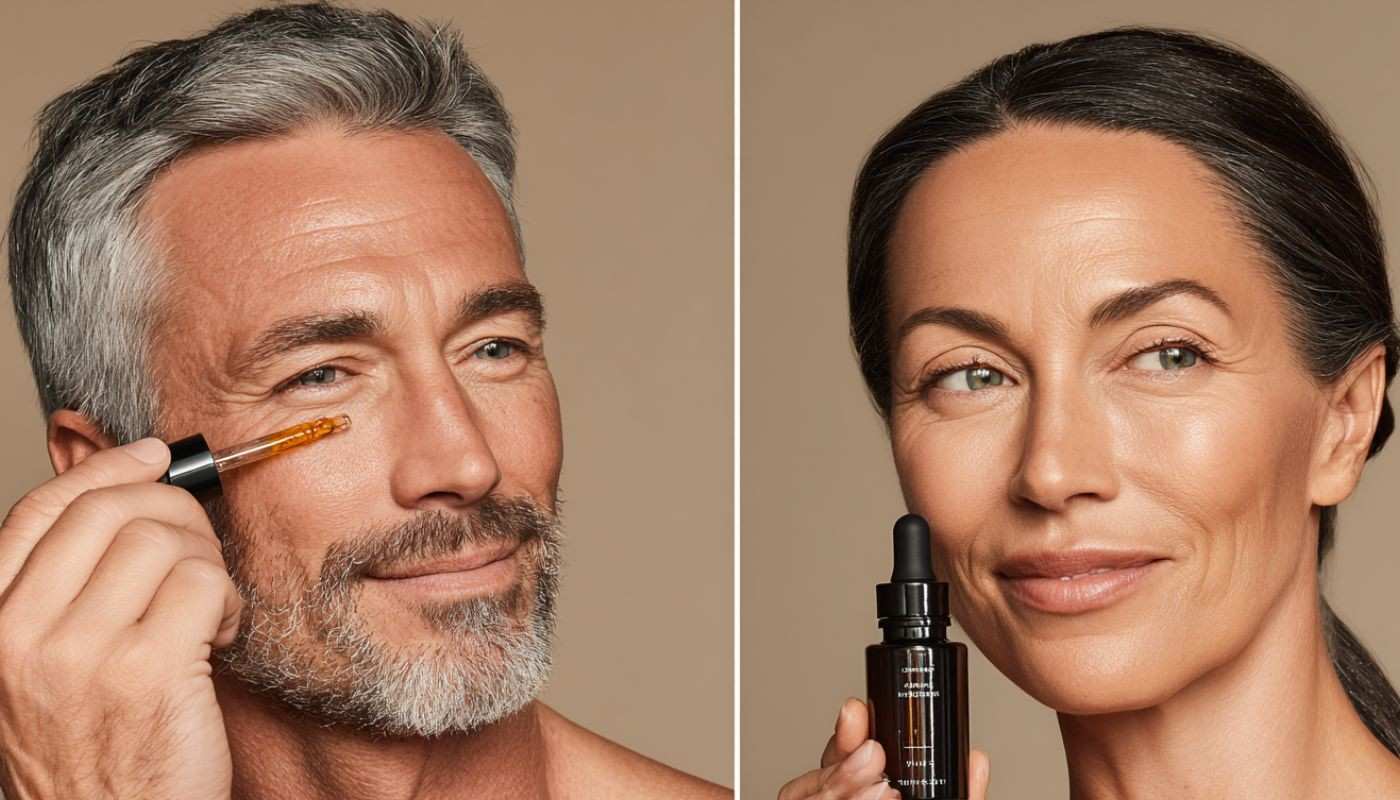
Anti Ageing Serum for Men
While skin biology remains fundamentally similar between genders, there are distinct differences in skin characteristics, concerns, and preferences that influence anti-ageing serum selection and application. Understanding these differences helps optimise skincare routines for maximum effectiveness and user satisfaction.
An anti ageing serum for men often needs to address specific concerns such as thicker skin, higher sebum production, and the effects of regular shaving on skin barrier function. Men’s skin typically contains more collagen and elastin initially, but these proteins decline more rapidly with age compared to women’s skin, making targeted anti-ageing intervention particularly valuable².
Male skin tends to be approximately 25% thicker than female skin, which can influence ingredient penetration and the concentration of actives needed for optimal results. This thickness, combined with higher oil production, often makes men good candidates for higher-concentration serums and more potent anti-ageing ingredients.
Shaving presents unique challenges for men’s anti-ageing skincare routines. The daily removal of the skin’s outer layer through shaving can increase sensitivity while also enhancing the penetration of topical ingredients. Post-shave serum application can be particularly effective, as the freshly exfoliated skin readily absorbs active ingredients.
Men often prefer simple, efficient skincare routines that deliver visible results without complicated multi-step processes. Anti-ageing serums perfectly suit this preference, offering concentrated benefits in a single, easy-to-apply product that integrates seamlessly into existing grooming routines.
Anti Ageing Serum for Women
An anti ageing serum for women addresses different priorities, often focusing on hormonal effects on skin, sun damage from years of exposure, and the complex interplay between makeup use and skincare efficacy. Women’s skin experiences significant hormonal fluctuations throughout life, particularly during menopause, which can dramatically accelerate the ageing process.
The decline in oestrogen during perimenopause and menopause leads to decreased collagen production, reduced skin thickness, and increased dryness. Women in this life stage often benefit from more intensive anti-ageing interventions, including higher-concentration retinoids, multiple hydrating ingredients, and comprehensive antioxidant protection.
Women’s skincare routines often involve multiple products and steps, making serum compatibility with other products crucial. Understanding how anti-ageing serums interact with makeup, sunscreen, and other skincare products helps optimise both efficacy and user experience.
Other gender-specific application considerations include:
- Timing preferences – Men often prefer single-application routines, whilst women may incorporate serums into more complex morning and evening regimens
- Texture preferences – Men typically favour lightweight, fast-absorbing textures that don’t interfere with shaving or feel heavy on the skin
- Ingredient tolerances – Hormonal differences may influence how each gender responds to specific ingredients, requiring personalised approach to concentration and frequency
- Lifestyle factors – Different sun exposure patterns, occupational hazards, and grooming habits influence optimal ingredient selection and application timing
- Aesthetic goals – Varying priorities regarding visible results, natural appearance, and integration with makeup or grooming routines affect product selection
Research indicates that men and women may metabolise certain skincare ingredients differently, potentially affecting both efficacy and side effect profiles³.
However, it’s important to note that individual skin characteristics often matter more than gender-based generalisations. A man with sensitive, dry skin may benefit more from gentle, hydrating formulations typically marketed to women, whilst a woman with oily, resilient skin might thrive with stronger actives often recommended for men.
Application Techniques and Maximising Serum Effectiveness
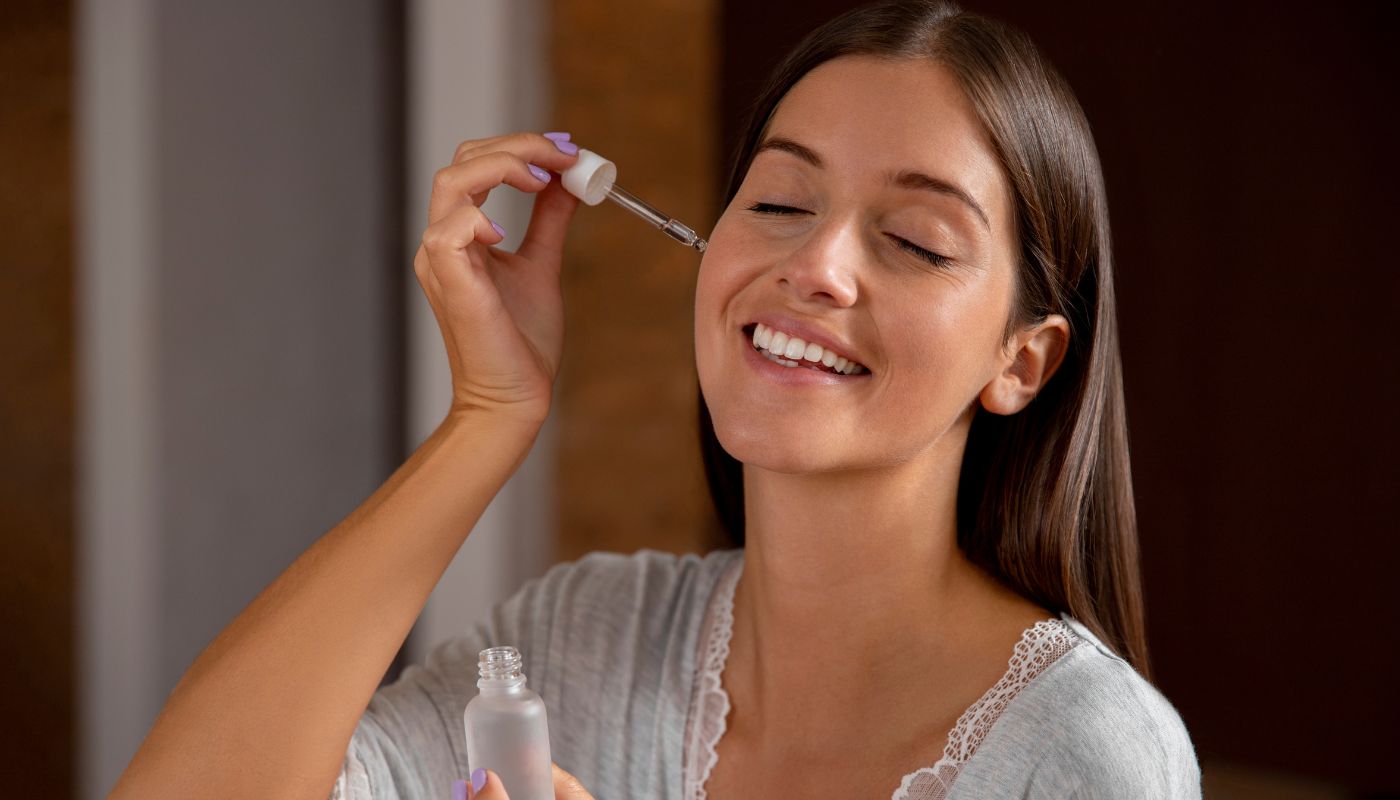
Proper application technique significantly influences anti-ageing serum effectiveness, determining how well active ingredients penetrate the skin and deliver their intended benefits. Understanding optimal application methods, timing, and complementary practices helps maximise your investment in anti-ageing skincare whilst minimising the risk of irritation or adverse reactions. Recent research explores how circadian rhythms affect skin repair processes, suggesting that timing of active ingredient application may influence effectiveness⁵.
Our essential application guidelines include:
- Patch testing
Always test new serums on a small skin area before full-face application to identify potential sensitivities or allergic reactions
- Gradual introduction
Start with every other day or every third day application, gradually increasing frequency as skin tolerance develops
- Sun protection
Many anti-ageing ingredients increase photosensitivity, making daily broad-spectrum sunscreen application essential for safety and efficacy
- Consistency commitment
Regular, consistent use over 8-12 weeks typically required to see significant anti-ageing benefits and optimal results
- Professional guidance
Consulting with dermatologists or qualified aestheticians can help optimise routine for individual skin types and concerns
References:
- Johnson, K.L., et al. (2022). “Efficacy of topical anti-aging serums on skin hydration and barrier function: A randomised controlled trial.” Journal of Cosmetic Dermatology, 21(8), 3456-3467.
- Martinez, S.P., et al. (2023). “Gender differences in skin aging: Hormonal influences and therapeutic implications.” Dermatology Research and Practice, 15(2), 245-258.
- Chen, L.M., et al. (2022). “Sex-based differences in topical ingredient metabolism and efficacy.” Clinical and Experimental Dermatology, 47(6), 1123-1135.
- Williams, R.A., et al. (2023). “Collagen degradation and synthesis in human skin aging: Molecular mechanisms and therapeutic targets.” Aging Cell, 22(4), 789-803.
- Thompson, D.K., et al. (2022). “Circadian rhythm influences on skin repair and anti-aging ingredient efficacy.” Chronobiology International, 39(7), 912-925.