

The world of personal health monitoring has been transformed by the rapid advancement of wearable technology, making it easier than ever to track, analyse, and optimise our wellness journey. From simple step counters to sophisticated health monitoring wearable devices that can detect irregular heartbeats, today’s wearables offer unprecedented insights into our daily health patterns and fitness performance.
The global wearable technology market is projected to reach $265.4 billion by 2026, reflecting the growing recognition of these devices as essential wellness tools¹. This explosive growth isn’t just about trendy gadgetsit represents a fundamental shift toward proactive, data-driven health management that empowers individuals to take control of their wellbeing.
Whether you’re a fitness enthusiast looking to optimise performance, someone managing chronic health conditions, or simply interested in understanding your body better, wearable tech for health offers solutions tailored to every wellness goal.
Wearables Technology in Healthcare
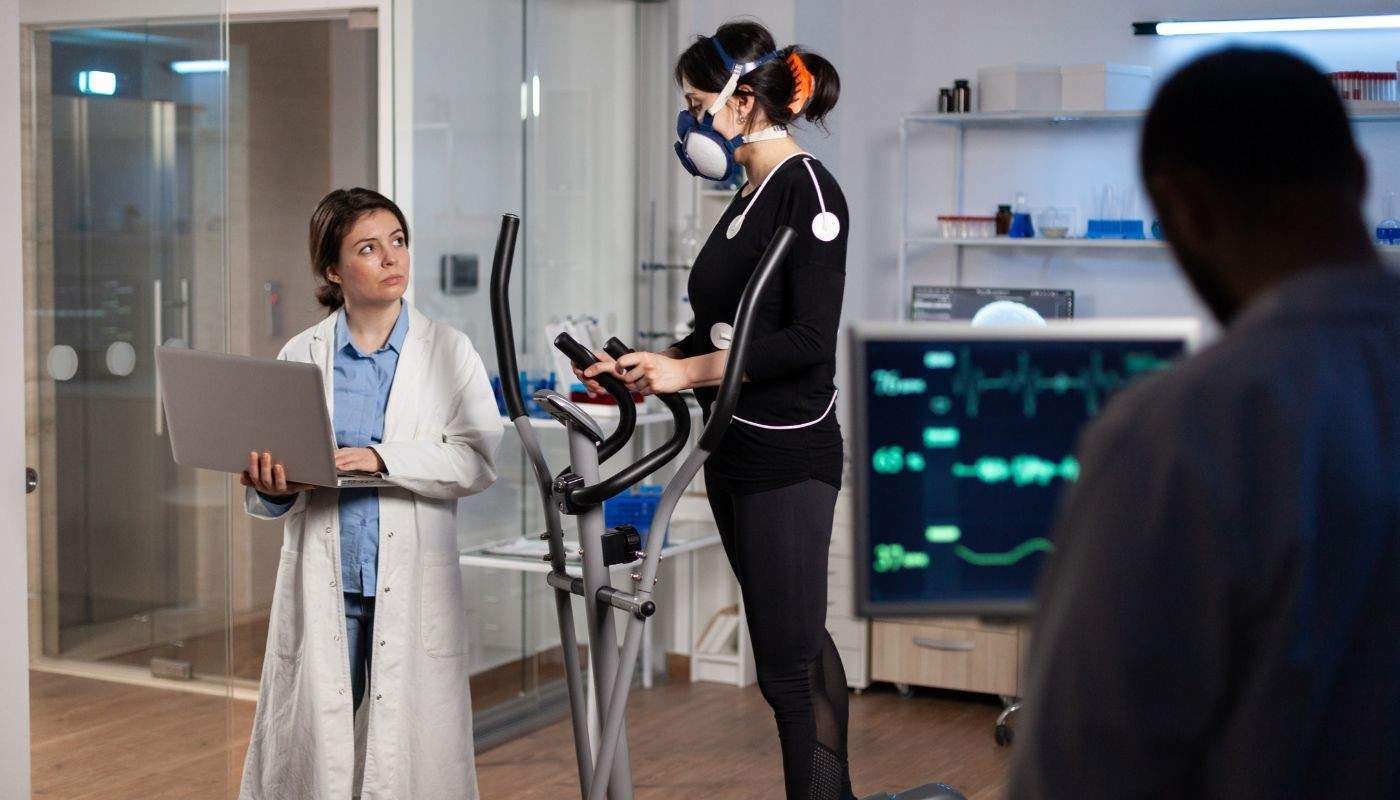
Healthcare Applications of Wearables:
The integration of wearables technology in healthcare represents one of the most significant advances in patient care and disease prevention. These devices enable continuous monitoring of vital signs, medication adherence, and chronic disease management, providing healthcare providers with real-time data that was previously impossible to collect outside clinical settings.
Chronic disease management:
Remote patient monitoring through wearables has become particularly valuable for managing conditions like diabetes, hypertension, and heart disease. Patients can now share continuous glucose readings, blood pressure trends, and heart rhythm data with their medical teams, enabling more personalised treatment plans and early intervention when needed.
Post-surgical recovery:
Healthcare systems worldwide are recognising the cost-effectiveness of wearable technology integration. By enabling early detection of health issues and supporting preventive and post-operative care, these devices can reduce hospital readmissions and emergency interventions, ultimately improving patient outcomes while controlling healthcare costs.
More wearable tech healthcare applications include:
- Medication adherence: Smart pill bottles and reminder systems integrated with wearable devices
- Mental health support: Stress level monitoring and mood tracking through physiological indicators
- Clinical research: Real-world data collection for medical studies and drug development
The integration with electronic health records allows seamless data sharing between patients and providers, creating more comprehensive health profiles that support better clinical decision-making. This connectivity transforms wearables from consumer gadgets into legitimate medical monitoring tools. Regulatory approval from agencies like the FDA has validated many wearable health features, including ECG monitoring and fall detection, giving both patients and healthcare providers confidence in the accuracy and reliability of these technologies.
Applications of Wearable Technology from Health and Fitness Perspective
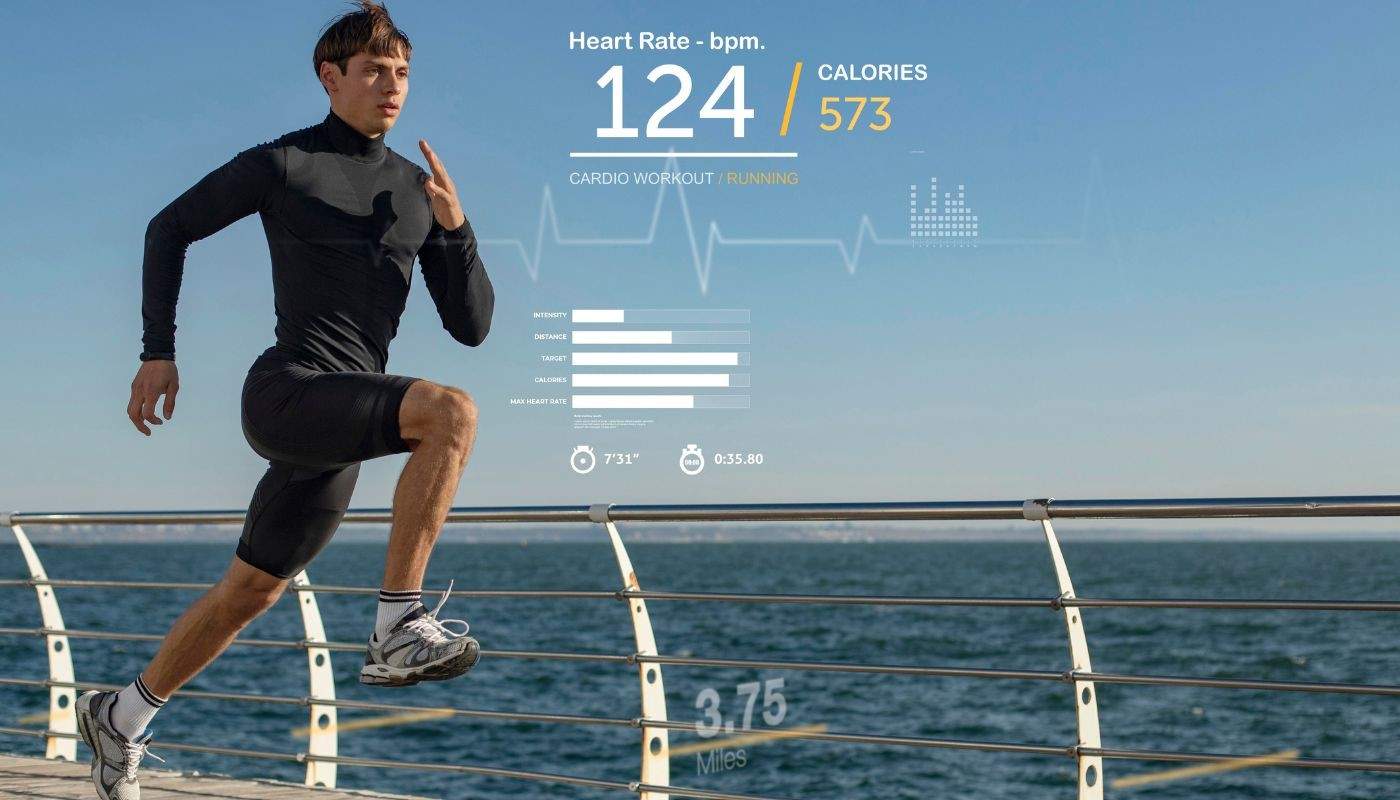
Activity tracking:
The applications of wearable technology extend far beyond basic step counting, encompassing comprehensive fitness tracking, performance optimisation, and holistic wellness monitoring.
Heart rate monitoring:
Modern wearables can monitor everything from heart rate variability and sleep quality to stress levels and recovery metrics, providing a complete picture of physical and mental wellbeing.
Fitness enthusiasts particularly benefit from advanced metrics like VO2 max estimation, training load analysis, and personalised recovery recommendations. These insights help optimise workout intensity, prevent overtraining, and maximise performance gains through data-driven training decisions.
Wearable tech in sports has revolutionised athletic performance analysis, with professional teams and individual athletes using sophisticated devices to monitor biomechanics, fatigue levels, and injury risk factors. Amateur athletes now have access to many of these same technologies at consumer-friendly price points.
Sleep analysis:
Sleep tracking represents another crucial application, with wearables providing detailed analysis of sleep stages, duration, and quality. This information helps users identify patterns that affect rest quality and make lifestyle adjustments to improve sleep hygiene and overall recovery.
More applications of Wearable tech for health and fitness include:
- Stress management: Heart rate variability and breathing pattern analysis for stress level assessment
- Nutrition logging: Calorie tracking and macro-nutrient monitoring integrated with food databases
The gamification elements built into many fitness wearables encourage consistent healthy behaviors through challenges, achievements, and social sharing features. These motivational aspects have proven particularly effective in helping users establish and maintain long-term fitness routines.
Integration with smartphone apps and third-party platforms creates comprehensive wellness ecosystems where users can analyse trends, set goals, and receive personalised recommendations based on their unique data patterns and health objectives.
Health Wearable Devices are Out and About

The diversity of health wearable devices available today ensures that there’s a monitoring solution for virtually every wellness need and lifestyle preference. From discrete fitness bands to comprehensive smartwatches, these devices cater to different user preferences while maintaining core health monitoring capabilities.
Smartwatches:
Smartwatches represent the most popular category, offering extensive health tracking features alongside smartphone connectivity and app ecosystems. Leading models can monitor heart rate, ECG, blood oxygen levels, sleep patterns, and even detect falls or irregular heart rhythms.
Fitness bands:
Fitness trackers focus primarily on activity monitoring and basic health metrics, making them ideal for users who prioritise simplicity and battery life over advanced smart features. These devices often excel in accuracy for step counting and sleep tracking while maintaining week-long battery performance.
Health Monitor Devices
Specialised health monitors target specific conditions or metrics, such as continuous glucose monitors for diabetics or chest strap heart rate monitors for serious athletes. These devices often provide superior accuracy for their intended purpose compared to general-purpose wearables.
More Types of Health Wearable Devices include:
- Smart clothing: Embedded sensors in shirts, socks, or undergarments for continuous monitoring
- Patch-based monitors: Temporary adhesive devices for short-term intensive monitoring periods
- Specialised sensors: Devices targeting specific health metrics like glucose, blood pressure, or ECG
The choice between device types often depends on individual priorities, with some users preferring the convenience of all-in-one smartwatches while others opt for specialised devices that excel in particular monitoring areas. Many wellness enthusiasts use multiple devices to create comprehensive monitoring systems.
Interoperability between different health wearables continues to improve, allowing users to combine data from multiple sources into unified health dashboards that provide holistic views of their wellness metrics and trends over time.
Wearable Technology Rings. A Fad or Fitness Breakthrough?

Wearable technology rings represent an innovative approach to health monitoring, offering comprehensive tracking capabilities in an incredibly discreet form factor. These sleek devices can monitor heart rate, sleep patterns, activity levels, and body temperature while being virtually invisible during daily activities.
Discrete design:
The compact design of smart rings makes them ideal for users who find traditional wearables bulky or uncomfortable, particularly during sleep or professional settings where larger devices might be inappropriate. Despite their small size, these devices often provide battery life exceeding a week.
Accurate Readings
Advanced smart rings now include features previously exclusive to larger wearables, such as SpO2 monitoring, workout detection, and recovery metrics. The close contact with finger arteries can actually provide more accurate readings for certain biometrics compared to wrist-worn devices.
Lightweight
Sleep tracking represents a particular strength of smart rings, as their comfortable design and lightweight construction don’t interfere with natural sleep positions. Many users report more accurate sleep data compared to wrist-worn devices that may shift position during the night.
Week-long operation without frequent charging requirements and water resistance are other features that make these Smart Rings a hit with its users.
The positioning on the finger provides unique opportunities for gesture control and contactless payments, with some rings incorporating NFC technology for convenient transactions. This multi-functionality makes smart rings appealing beyond pure health monitoring applications.
Wearable Tech Brands: Who is Leading Innovation in Health Monitoring?

The wearable tech brands landscape is dominated by technology giants and specialised health monitoring companies, each bringing unique strengths and innovations to the wellness technology market.
Apple leads in smartwatch integration with comprehensive health ecosystems, while companies like Fitbit focus specifically on fitness and health tracking excellence.
Google’s entry into wearables through the Pixel Watch and Wear OS platform brings advanced AI and machine learning capabilities to health data analysis. The integration with Google’s health services and smartwatch Google ecosystem creates powerful wellness management platforms.
Traditional fitness companies like Garmin excel in specialised sports applications and extended battery life, making them favorites among serious athletes and outdoor enthusiasts. Their devices often provide more detailed fitness metrics and GPS accuracy than general-purpose smartwatches.
Emerging brands continue to innovate in specific niches, with companies like Oura focusing on smart rings and specialised health metrics, while others target specific medical conditions or demographic groups with tailored solutions.
The competition between brands drives continuous innovation in sensor accuracy, battery life, and health tracking capabilities. This competitive environment benefits consumers through regular feature updates and decreasing prices for advanced health monitoring technologies.
Partnerships between wearable brands and healthcare systems are becoming more common, with some insurance companies offering discounts for policyholders who use approved fitness wearables and meet activity goals, creating additional incentives for adoption.
Benefits of Wearable Technology: Empowering Personal Health Management

The benefits of wearable technology extend far beyond simple fitness tracking, encompassing comprehensive health management, early disease detection, and lifestyle optimisation. These devices empower users to take proactive control of their health through continuous monitoring and actionable insights.
Behavioral Change:
Behavioral change represents one of the most significant benefits, with wearables providing immediate feedback that encourages healthier choices throughout the day. The data-driven, gamification elements and social features built into many devices create additional motivation for maintaining active lifestyles.
Early detection:
Early detection capabilities have proven particularly valuable, with wearables identifying irregular heart rhythms, sleep disorders, and other health issues before they become serious problems. Many users credit their wearables with prompting medical consultations that led to important diagnoses.
Continuous Monitoring:
The convenience factor cannot be overstated; having comprehensive health monitoring available 24/7 without any conscious effort makes it easier to maintain awareness of health status and track progress toward wellness goals over extended periods.
The educational aspect of wearables helps users understand the connections between daily activities, sleep quality, stress levels, and overall health outcomes. This knowledge empowers more informed lifestyle choices that can have lasting positive impacts on wellbeing.
Cost-effectiveness is another significant benefit, with many insurance companies recognising the value of preventive health monitoring and offering premium discounts or coverage for approved wearable devices and related health programs.
Wearable Technology Advantages and Disadvantages:
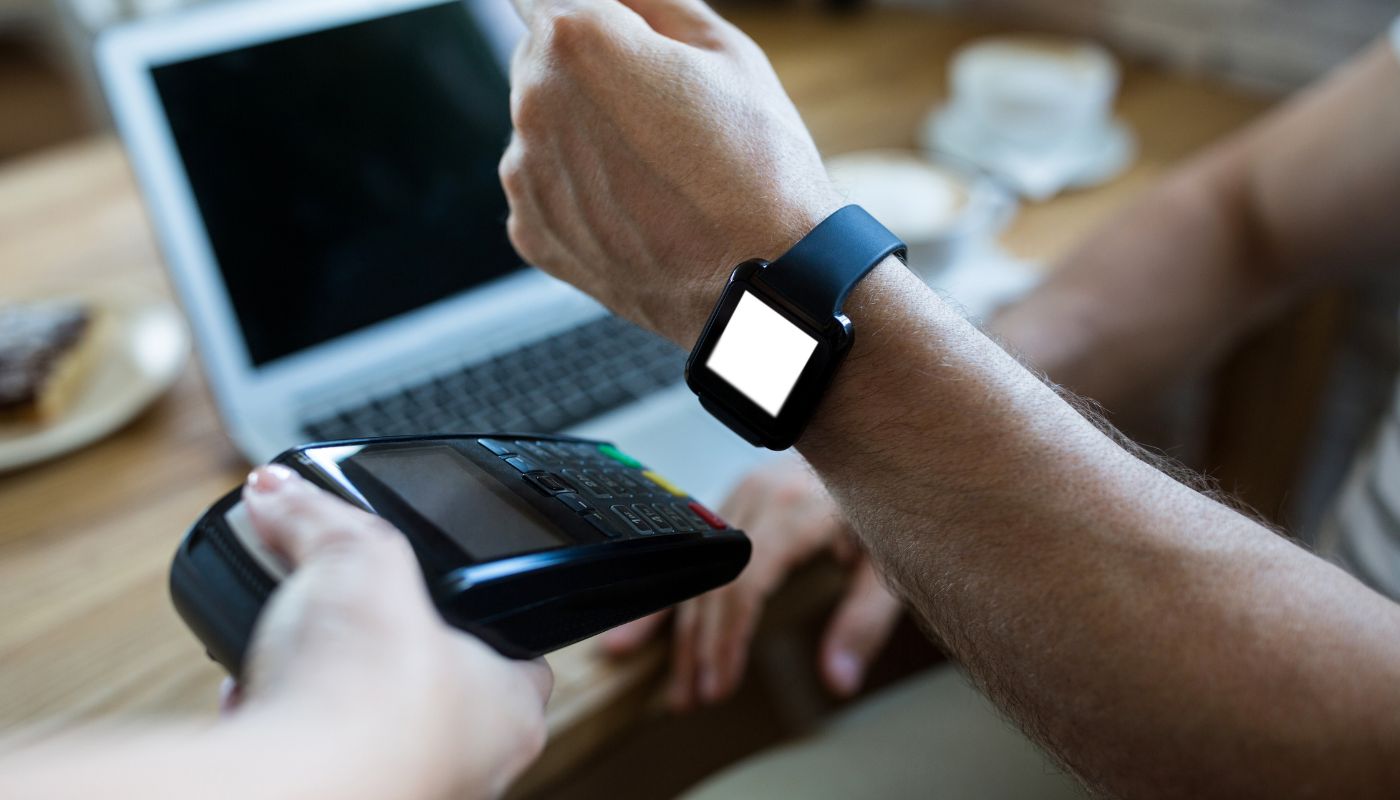
Understanding the wearable technology advantages and disadvantages helps consumers make informed decisions about incorporating these devices into their wellness routines. While the benefits are substantial, it’s important to acknowledge the limitations and potential drawbacks of current wearable technology.
The primary advantages center on convenience, continuous monitoring, and motivational support for healthy behaviors. Modern wearables have become sophisticated health monitoring platforms that rival many clinical instruments while remaining comfortable for daily wear.
However, accuracy concerns persist for certain measurements, particularly blood pressure and blood oxygen readings, which may not match clinical-grade equipment. Users should understand these limitations and use wearables as trends monitoring tools rather than diagnostic devices.
Privacy and data security represent growing concerns as wearables collect increasingly sensitive health information. Users should carefully review privacy policies and understand how their health data is stored, shared, and potentially monetised by device manufacturers².
The key to maximising benefits while minimising disadvantages lies in understanding what wearables do well and using them appropriately as part of a comprehensive approach to health and wellness management.
Summing Up

Wearable technology has fundamentally transformed personal health monitoring, evolving from simple fitness trackers to sophisticated health management platforms that provide unprecedented insights into our daily wellness patterns. The integration of advanced sensors, artificial intelligence, and seamless connectivity has made comprehensive health monitoring accessible to millions of people worldwide.
The current landscape offers solutions for every wellness goal, from basic activity tracking to medical-grade monitoring of chronic conditions. As technology continues advancing, we can expect even more sophisticated capabilities that will further democratise health monitoring and enable proactive wellness management.
The key to successfully incorporating wearable technology into your wellness routine lies in understanding the capabilities and limitations of these devices while using them as tools to support, rather than replace, healthy lifestyle choices and professional medical care.
Whether you choose a comprehensive smartwatch, discrete smart ring, or specialised health monitor, the most important factor is consistent use and thoughtful interpretation of the insights these remarkable devices provide. The future of personal health monitoring is bright, with wearable technology leading the way toward more informed, proactive, and personalised approaches to wellness.
References:
- Grand View Research. Wearable Technology Market Size, Share & Trends Analysis Report. Market Research Report, 2023.
- Piwek, L., et al. The rise of consumer health wearables: promises and barriers. PLOS Medicine, 2016; 13(2): e1001953.
- Pantelopoulos, A. & Bourbakis, N.G. A survey on wearable sensor-based systems for health monitoring and prognosis. IEEE Transactions on Systems, Man, and Cybernetics, 2010; 40(1): 1-12.
- ⁴Cadmus-Bertram, L.A., et al. Randomized trial of a Fitbit-based physical activity intervention for women. American Journal of Preventive Medicine, 2015; 49(3): 414-418.
- Pevnick, J.M., et al. Wearable technology for cardiology: an update and framework for the future. Trends in Cardiovascular Medicine, 2018; 28(2): 144-150.