

Hatha yoga represents one of the most foundational and accessible forms of yoga practice, offering a perfect entry point for beginners while providing profound benefits for practitioners of all levels. Rooted in ancient Sanskrit traditions where “ha” means sun and “tha” means moon, this practice seeks to balance opposing forces within the body and mind, creating harmony and optimal wellness through deliberate, mindful movement.
Unlike faster-paced yoga styles that emphasise continuous flow, hatha yoga focuses on individual poses held with intention and awareness. This approach allows practitioners to develop proper alignment, build strength gradually, and cultivate the deep mind-body connection that forms the foundation of all yoga practice. The deliberate pace makes hatha yoga particularly beneficial for those seeking stress relief, improved flexibility, and enhanced body awareness.
Modern research consistently demonstrates hatha yoga’s effectiveness for improving both physical and mental health outcomes. Studies show that regular practitioners experience significant improvements in flexibility, strength, balance, and stress management, with benefits often visible within just eight weeks of consistent practice¹. The gentle yet challenging nature of hatha yoga makes it an ideal choice for individuals of all ages and fitness levels seeking sustainable wellness practices.
Essential Hatha Yoga Positions for Foundation Building

Mastering fundamental hatha yoga positions creates the foundation for all advanced practice while providing immediate benefits for strength, flexibility, and mental clarity. These poses, when practiced with proper alignment and breathwork, offer comprehensive conditioning that addresses every major muscle group while promoting deep relaxation and stress relief. Here are few starter Hatha Yoga foundational poses to get you started:
- Mountain Pose (Tadasana) serves as the cornerstone of all standing positions, teaching proper postural alignment and body awareness. This seemingly simple pose engages the entire body while establishing the neutral spine position essential for safe, effective practice. It focuses on even weight distribution, gentle engagement of leg muscles, and lengthening through the crown of the head.
- Downward-Facing Dog (Adho Mukha Svanasana) provides full-body strengthening while offering gentle inversion benefits that improve circulation and energy flow. This versatile pose stretches the hamstrings, calves, and shoulders while building strength in the arms and core. Proper alignment involves creating length through the spine while grounding through both hands and feet.
- Warrior I (Virabhadrasana I) builds lower body strength and stability while opening the hip flexors and promoting confident, grounded energy. This powerful standing pose teaches balance and endurance while developing the leg strength necessary for more advanced positions. Focus on strong legs, square hips, and upward reach through the arms.
- Tree Pose (Vrksasana) challenges balance while strengthening the standing leg and improving concentration. This single-leg balance pose can be modified for all levels by adjusting foot placement and using wall support when needed. The pose teaches steady focus while building functional stability.
- Child’s Pose (Balasana) offers essential rest and introspection, providing gentle spine flexion and nervous system calming. This restorative position can be modified with props to accommodate different body types and flexibility levels. The pose serves as a safe retreat during challenging sequences and promotes deep relaxation.
The Benefits of Hatha Yoga:
- Postural Improvement: Standing poses like Mountain Pose and Warrior sequences teach proper alignment that translates to better posture in daily activities
- Strength Development: Weight-bearing positions build functional strength throughout the entire body while maintaining joint mobility and flexibility
- Balance Enhancement: Single-leg poses and challenging positions improve proprioception and reduce fall risk, particularly beneficial for older adults
- Flexibility Gains: Sustained holds in stretching positions promote fascial release and increased range of motion throughout major muscle groups
- Mental Focus: Maintaining challenging positions while breathing steadily develops concentration skills that benefit all areas of life
The key to effective hatha yoga practice lies in finding the balance between effort and ease within each pose. This concept, known as “sthira and sukha” in Sanskrit, teaches practitioners to work with appropriate intensity while maintaining breath awareness and mental calm.
Hatha Yoga vs Vinyasa: Understanding the Differences
The distinction between hatha yoga vs vinyasa represents one of the most important considerations for new practitioners seeking the style that best matches their goals, personality, and physical needs. While both approaches offer significant benefits, understanding their unique characteristics helps ensure optimal practice selection and long-term satisfaction.
Hatha yoga emphasises static holds, typically maintaining poses for 1-5 minutes while focusing on proper alignment, breath awareness, and internal sensations. This approach allows deep exploration of each position, promoting flexibility gains and providing time to refine technique. The slower pace makes hatha yoga particularly suitable for beginners, those recovering from injury, or practitioners seeking meditative, introspective experiences.
Vinyasa yoga, in contrast, links poses together in flowing sequences coordinated with breath movement. This dynamic approach builds cardiovascular endurance while maintaining strength and flexibility benefits. Vinyasa classes often feature creative sequencing and music, appealing to practitioners who enjoy variety and energetic movement.
The breathing approaches differ significantly between styles. Hatha yoga often incorporates specific pranayama techniques practiced separately from physical poses, allowing dedicated focus on breath control and its effects on mental state. Vinyasa integrates breath with movement throughout the practice, using breath as the driving force for transitions between poses.
Calorie expenditure varies considerably between the styles, with hatha yoga typically burning fewer calories during practice but providing longer-lasting metabolic benefits through increased muscle mass and stress reduction. Research indicates that hatha yoga practitioners show greater improvements in flexibility and stress management, while vinyasa practitioners often see faster cardiovascular conditioning results².
Building Your Hatha Yoga Sequence for Optimal Results
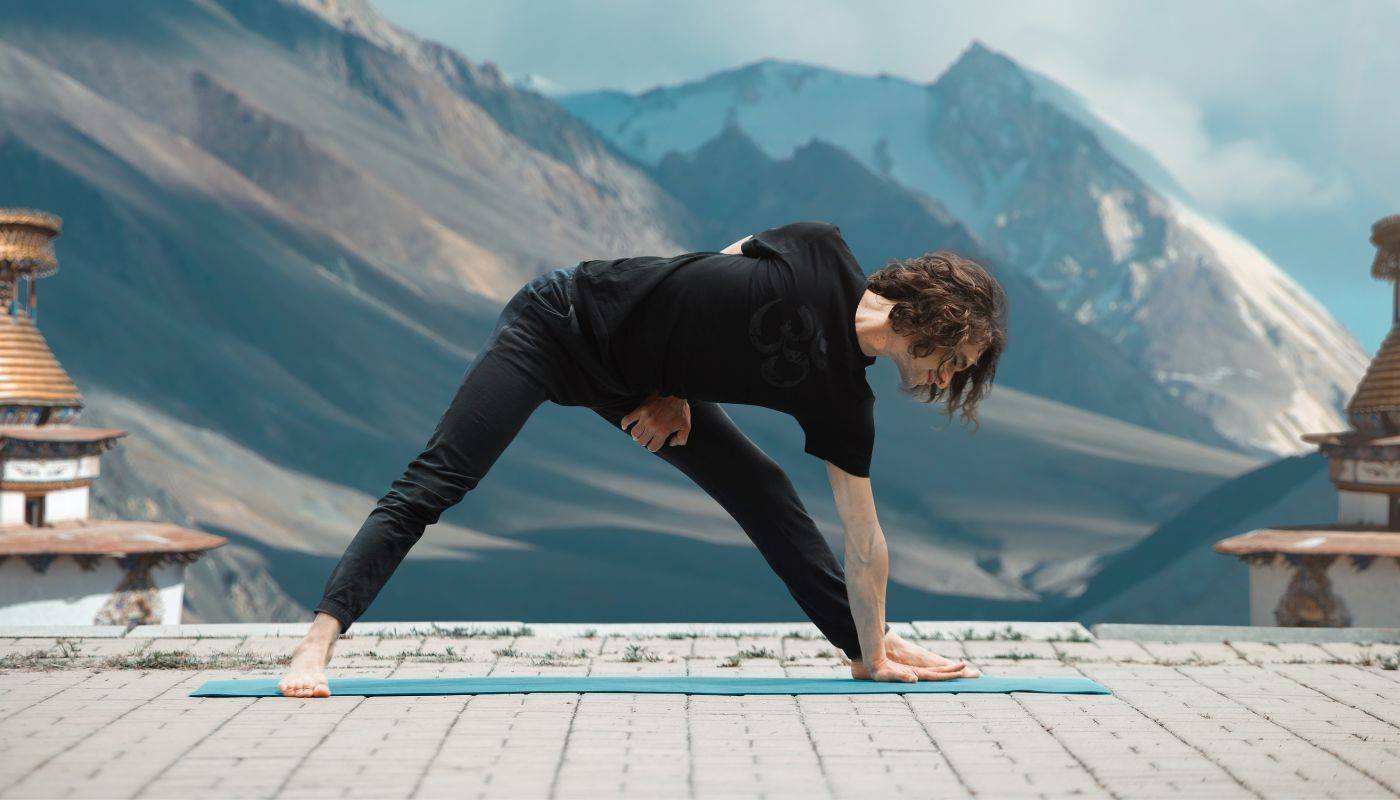
Creating an effective hatha yoga sequence or a hatha yoga flow requires understanding of proper pose progression, energy management, and the therapeutic principles that ensure safe, beneficial practice. Well-designed sequences prepare the body systematically while building toward peak poses and concluding with integration and relaxation.
Warm-Up Phase should begin with gentle movements that increase circulation and prepare joints for deeper work. Simple neck rolls, shoulder shrugs, and gentle spinal movements activate the nervous system while alerting the body to upcoming challenges. Cat-Cow stretches and gentle twists provide excellent preparation for more demanding poses.
Standing Sequence forms the foundation of most hatha yoga practices, building heat and strength while establishing proper alignment patterns. Beginning with Mountain Pose, sequences typically progress through Warrior poses, Triangle Pose (Trikonasana), and balancing positions like Tree Pose. This section should constitute 30-40% of practice time.
Seated and Floor Poses allow for deeper flexibility work and more intensive strengthening. Forward folds, backbends, and twisting poses provide comprehensive spinal movement while targeting specific muscle groups. This section often includes core strengthening exercises and hip-opening sequences.
Peak Pose Integration represents the most challenging pose or sequence of the practice, incorporating skills and preparation from earlier sections. Peak poses should feel accessible but challenging, requiring focused attention and coordinated effort.
Cool-Down and Relaxation gradually reduces intensity while promoting integration of the practice’s benefits. Gentle stretches, supported poses, and final relaxation in Savasana allow the nervous system to absorb the session’s positive effects.
Effective Hatha Yoga Sequence Planning includes:
- Progressive Intensity: Begin gently and gradually increase challenge, allowing the body to warm up properly before demanding poses
- Balanced Movement: Include forward folds, backbends, side bends, and twists to ensure comprehensive spinal mobility and muscle engagement
- Counter-Poses: Follow challenging poses with gentler positions that neutralise any strain and promote balanced muscle development
- Energy Management: Plan sequence timing to build energy appropriately and conclude with calming, restorative elements
- Personal Adaptation: Modify sequences based on individual needs, physical limitations, and energy levels on any given day
Seasonal and daily variations keep sequences fresh while addressing changing body needs. Energising morning sequences differ from calming evening practices, and summer routines may emphasise cooling poses while winter practices focus more on warming movements.
Participating in a hatha yoga retreat provides intensive immersion that can accelerate personal growth while deepening practice in ways that regular classes cannot match. These concentrated experiences offer dedicated time for self-reflection, skill development, and community building in supportive environments that follow perfected Hatha Yoga sequences, for maximised benefits.
Exploring Hatha Yoga ‘Hot’ Way: Benefits and Considerations
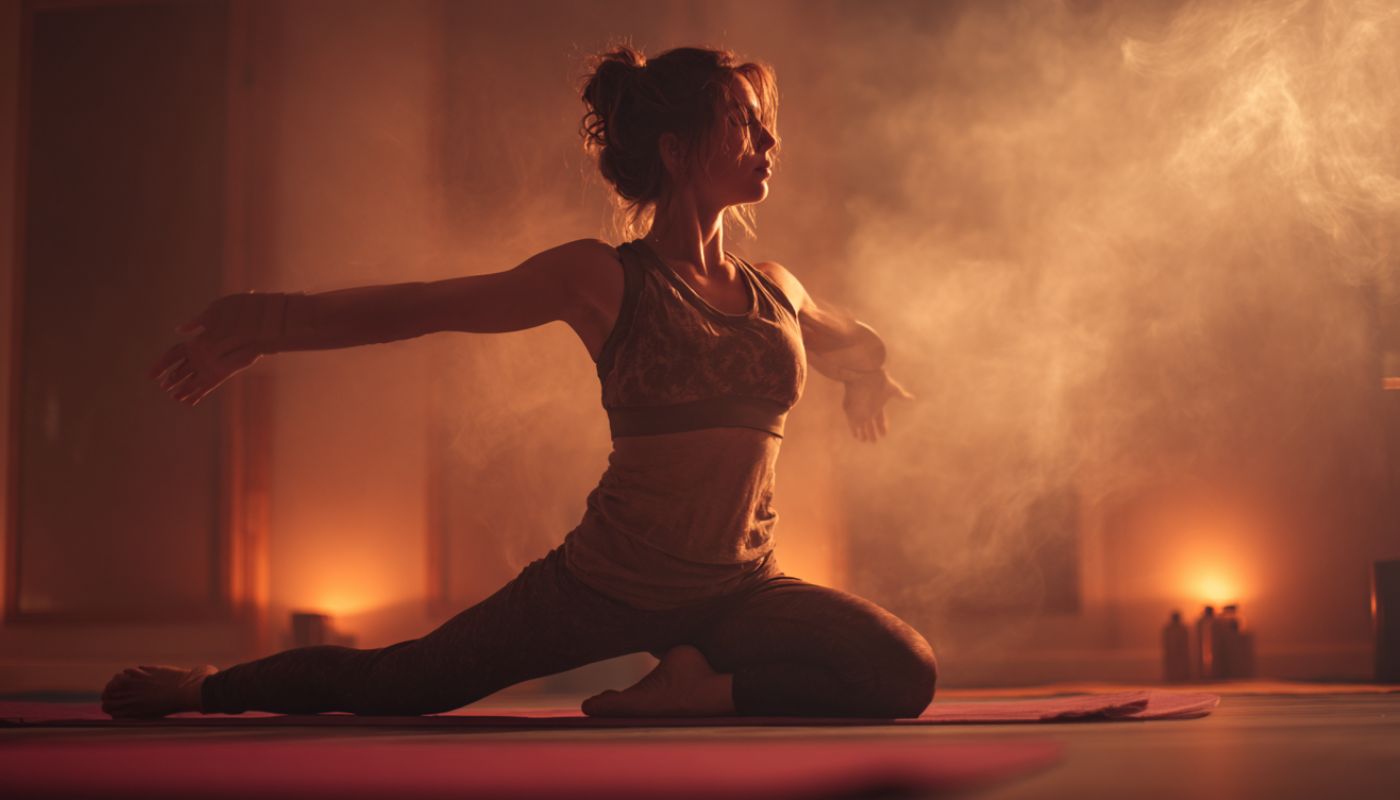
The practice of hatha yoga hot, performed in heated environments typically ranging from 85-105°F, offers unique benefits while requiring special attention to safety and hydration. Heat enhances flexibility, promotes detoxification, and can intensify the meditative aspects of practice when approached mindfully and safely.
Elevated temperature increases muscle pliability, allowing deeper stretches and potentially faster flexibility gains. The heat also promotes increased circulation and sweating, which may support natural detoxification processes while creating a sense of purification and renewal. Many practitioners report enhanced focus and mental clarity in heated environments.
However, hot yoga requires careful attention to hydration, electrolyte balance, and individual heat tolerance. Beginners should start with shorter sessions and moderate temperatures, gradually building tolerance over time. Those with cardiovascular conditions, pregnancy, or heat sensitivity should consult healthcare providers before attempting heated practice.
Proper preparation for hot yoga includes adequate hydration beginning hours before practice, appropriate clothing that allows sweat evaporation, and realistic expectations about performance in heated conditions. Cooling towels and electrolyte replacement may be necessary for longer or more intense sessions.
Safety considerations include recognising signs of overheating, such as dizziness, nausea, or excessive fatigue, and knowing when to rest or leave the heated environment. Proper studios maintain adequate ventilation and provide cooling areas for recovery when needed.
Research suggests that heated yoga practice may provide enhanced cardiovascular benefits compared to room-temperature practice, with some studies showing improved arterial flexibility and endurance³.
Mastering Hatha Yoga Sun Salutation: Foundation of Flow
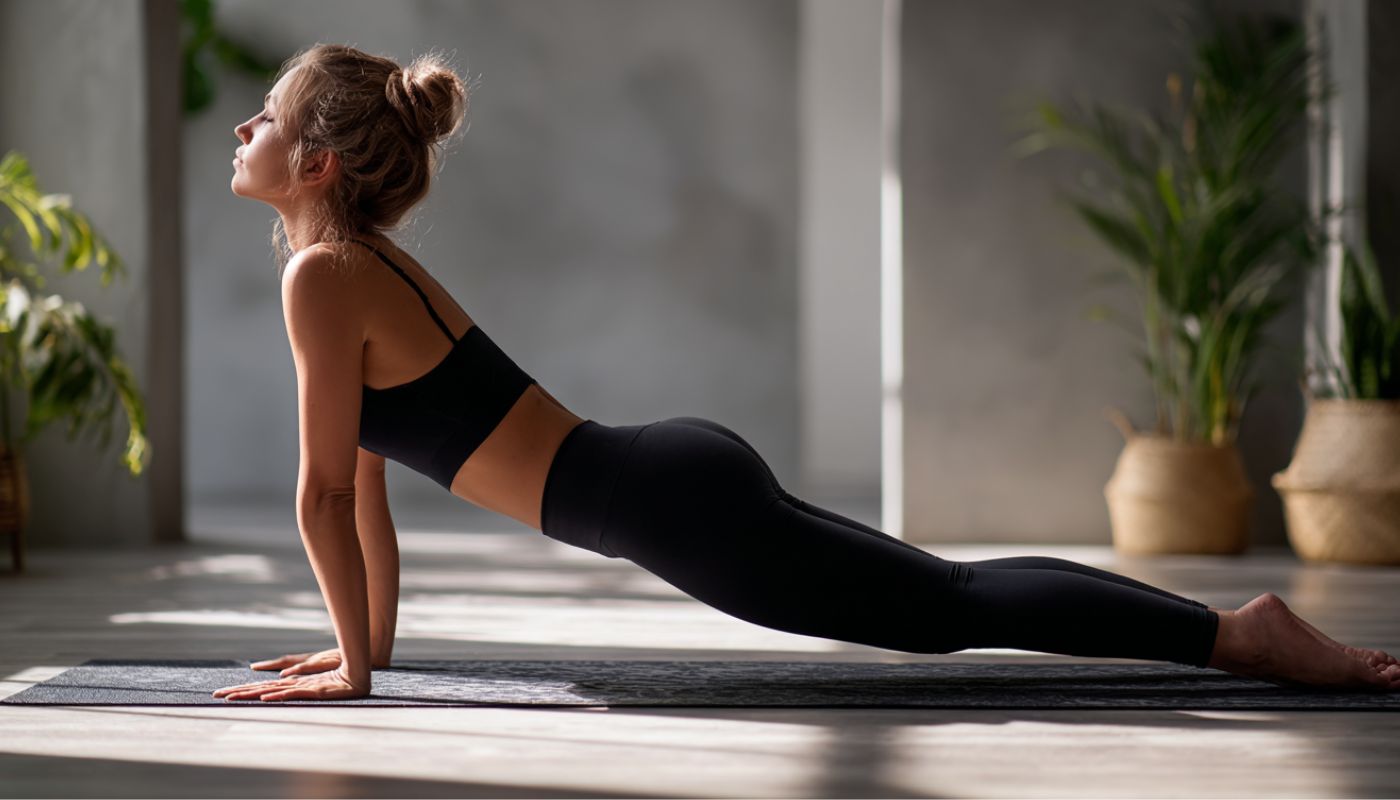
The hatha yoga sun salutation (Surya Namaskara) represents a complete practice in miniature, combining forward folds, backbends, and strengthening poses in a sequence that honors the sun while providing comprehensive physical conditioning. Unlike faster vinyasa variations, hatha sun salutations emphasise proper alignment and breath coordination in each position.
Classical Sun Salutation consists of twelve positions that flow together while maintaining distinct holds in each pose. The sequence begins and ends in Mountain Pose, creating a circular journey that symbolises the sun’s daily cycle while providing balanced physical conditioning.
The sequence includes Standing Forward Fold (Uttanasana), which provides hamstring and calf stretching while promoting blood flow to the brain. Low Lunge positions open hip flexors while building leg strength, and Downward-Facing Dog offers comprehensive strengthening and stretching.
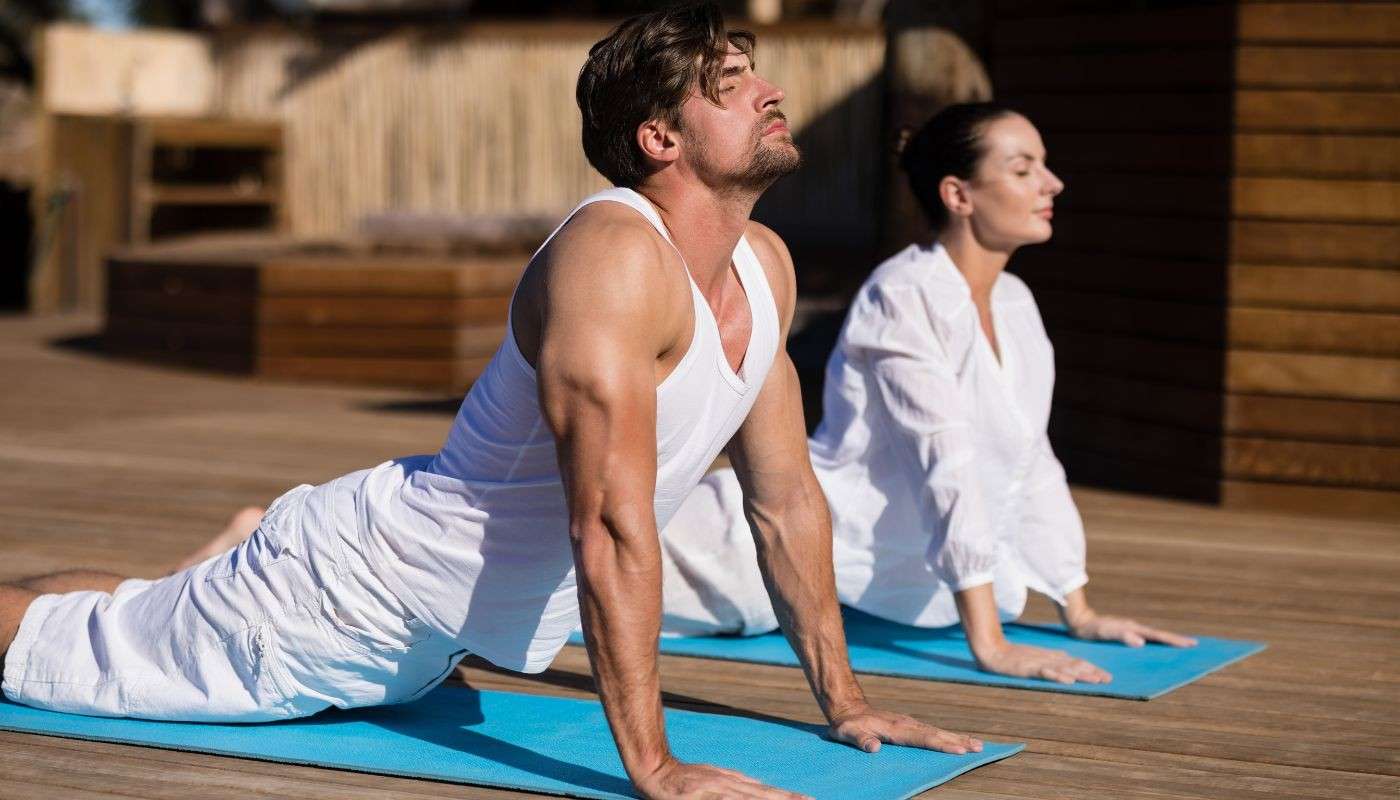
Cobra Pose (Bhujangasana) within the sun salutation provides gentle backbending that counteracts forward posture while strengthening the posterior chain. The transition back through Low Lunge and Standing Forward Fold completes the sequence’s balanced movement patterns.
Breath coordination transforms individual poses into meditation in motion, with each movement initiated and sustained by conscious breathing. Traditional practice links specific breath patterns to each transition, creating rhythmic flow that calms the mind while energising the body.
Sun Salutation Benefits:
- Complete Warm-Up: The sequence prepares every major muscle group and joint for deeper practice while gradually building internal heat
- Cardiovascular Conditioning: Repeated rounds provide moderate cardiovascular challenge while maintaining focus on alignment and breath control
- Flexibility Development: Forward folds and backbends promote spinal mobility while hip openers address common areas of tightness
- Strength Building: Weight-bearing positions build functional strength throughout the body while maintaining joint mobility
- Mental Focus: Coordinating breath with movement develops concentration while creating moving meditation experience
Mastering Hatha Yoga Breathing
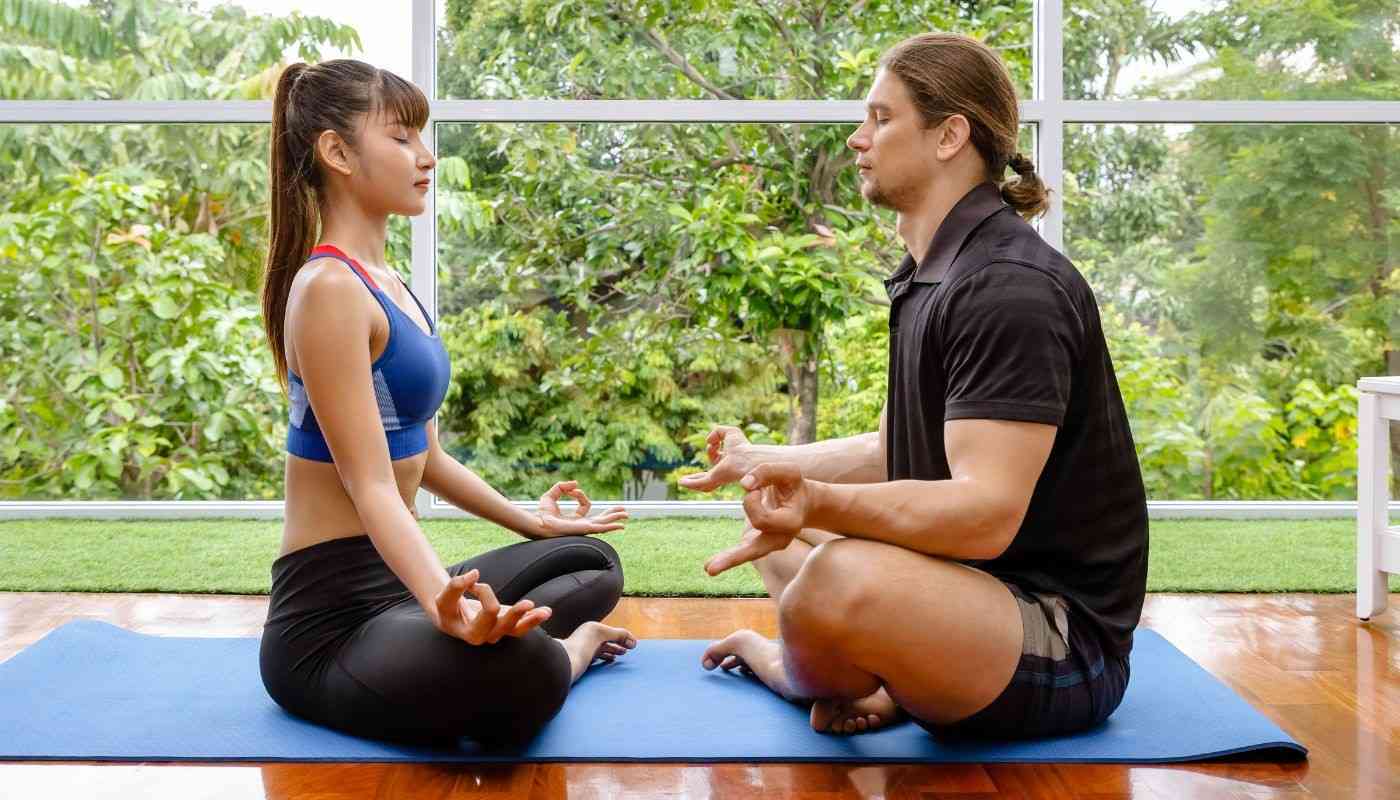
Hatha yoga breathing techniques, or pranayama, form the essential foundation of all physical and mental yoga practices, with ancient texts suggesting that breath control is more important than physical poses for achieving yoga’s ultimate goals of peace and self-realisation.
- Three-Part Breath (Dirga Pranayama) serves as the cornerstone breathing technique, teaching practitioners to breathe fully into the belly, ribcage, and upper chest in coordinated sequence. This fundamental practice increases oxygen uptake while activating calming nervous system responses.
- Ocean Breath (Ujjayi Pranayama) creates an audible breath sound through partial constriction of the throat, generating internal heat while promoting mental focus. This technique is commonly used during physical practice to maintain concentration and regulate intensity.
- Alternate Nostril Breathing (Nadi Shodhana) balances the nervous system by alternating breath flow between nostrils, creating equilibrium between sympathetic and parasympathetic responses. This practice is particularly effective for reducing anxiety and improving mental clarity.
- Cooling Breaths such as Sheetali (curled tongue breathing) and Sheetkari (hissing breath) help regulate body temperature and calm the mind, making them valuable for hot weather practice or when feeling overheated or agitated.
Research demonstrates that regular pranayama practice significantly improves stress resilience, cardiovascular function, and overall quality of life, with effects often measurable within just a few weeks of consistent practice⁵.
Understanding Traditional Hatha Yoga Asanas and Their Applications
Traditional hatha yoga asanas encompass a rich collection of poses developed over centuries to promote physical health, mental clarity, and spiritual development. Understanding these classical postures and their intended effects provides depth and authenticity to modern practice while honoring yoga’s ancient wisdom.
- Seated Poses form the foundation of traditional practice, with positions like Lotus Pose (Padmasana) and Easy Pose (Sukhasana) designed for extended meditation and pranayama practice. These poses promote spinal alignment while creating stability for inner work.
- Backbends such as Camel Pose (Ustrasana) and Wheel Pose (Urdhva Dhanurasana) open the heart center while strengthening the posterior chain. Classical texts describe these poses as energising and mood-lifting while promoting courage and emotional openness.
- Forward Folds including Seated Forward Fold (Paschimottanasana) and Head-to-Knee Pose (Janu Sirsasana) promote introspection while stretching the entire back body. These poses are considered calming and cooling, suitable for evening practice or when seeking to reduce mental agitation.
- Twisting Poses like Half Lord of the Fishes (Ardha Matsyendrasana) provide spinal mobility while stimulating digestive organs and promoting detoxification. Traditional teachings suggest these poses help balance the nervous system while improving organ function.
- Inversions such as Shoulderstand (Salamba Sarvangasana) and Plow Pose (Halasana) reverse blood flow while providing powerful effects on hormone regulation and mental state. These advanced poses require proper preparation and should be learned under qualified instruction.
Practitioners often recommend Hatha Yoga for weight loss. While hatha yoga for weight loss may not burn as many calories as high-intensity exercises, its comprehensive approach to wellness creates lasting changes that support healthy weight management through multiple mechanisms including stress reduction, improved body awareness, and enhanced metabolic function.
Hatha yoga calories burned typically range from 150-250 per hour depending on pose difficulty, body weight, and effort level. While this may seem modest compared to cardio exercises, the muscle-building effects increase resting metabolic rate, leading to greater calorie burn throughout the day.
Research indicates that regular yoga practitioners, including those focusing on gentler styles like hatha, show significantly lower BMI and better body composition compared to non-practitioners, even when controlling for other lifestyle factors⁴.
References:
- International Journal of Yoga, 2020: “Eight-Week Hatha Yoga Program Effects on Physical and Mental Health Outcomes”
- Journal of Alternative and Complementary Medicine, 2019: “Comparative Analysis of Hatha and Vinyasa Yoga Benefits”
- Applied Physiology, Nutrition, and Metabolism, 2018: “Cardiovascular Effects of Heated Yoga Practice”
- American Journal of Lifestyle Medicine, 2021: “Yoga Practice and Body Composition: Long-term Population Study”
- Respiratory Physiology & Neurobiology, 2020: “Pranayama Effects on Autonomic Nervous System and Stress Responses”